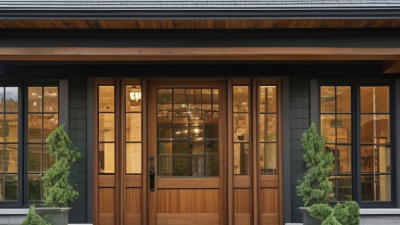
What is the Best Material for Doors and Windows?
Choosing the right materials for doors and windows is essential for modern architecture. A report from the Department of Energy indicates that energy-efficient doors and windows can save homeowners up to 30% on heating and cooling costs. The selection of materials affects durability, insulation, and cost. Given the wide range of options available, it's vital to weigh the pros and cons of each material carefully.
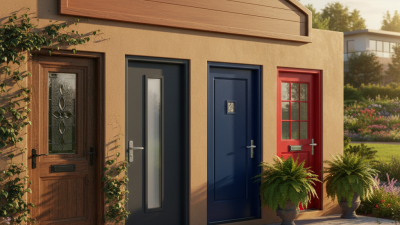
Wood, vinyl, aluminum, and fiberglass each offer unique advantages. Wooden doors and windows provide aesthetic appeal and excellent insulation. However, they require regular maintenance to prevent rot. Vinyl is low-maintenance and offers good insulation but may not have the same visual appeal as wood. The durability of aluminum can be tempting, yet it lacks the insulation properties of other materials. Fiberglass stands out for its strength and energy efficiency, but it often comes at a higher price.
This landscape of choices makes material decisions challenging. Each option has its positive outcomes and potential drawbacks. As homeowners seek the best doors and windows, understanding these materials becomes crucial to making informed decisions. Quality options lead to enduring benefits but also demand reflections on cost and maintenance.
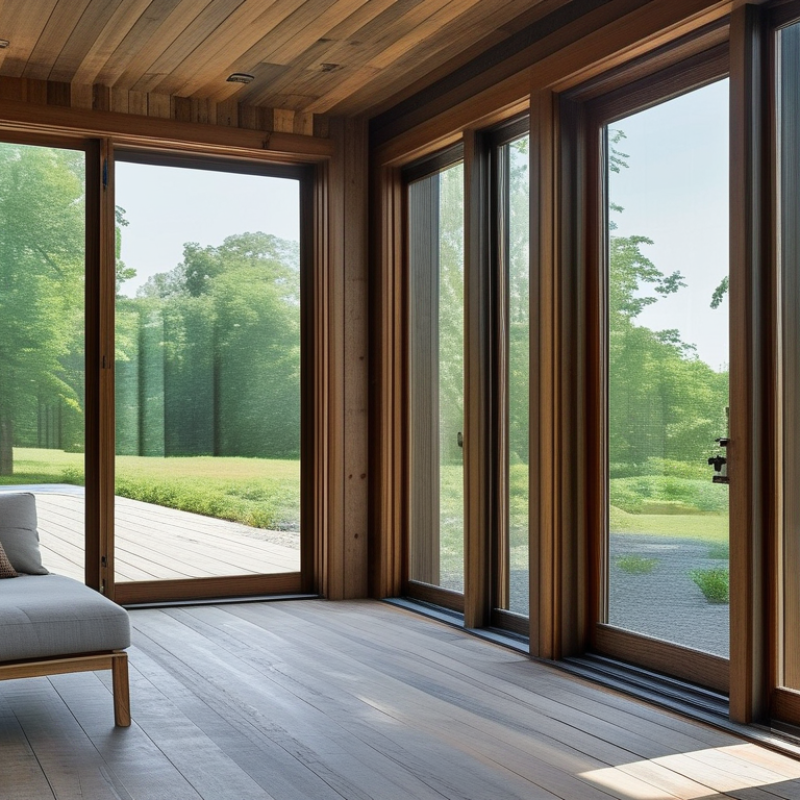
Types of Materials Commonly Used for Doors and Windows
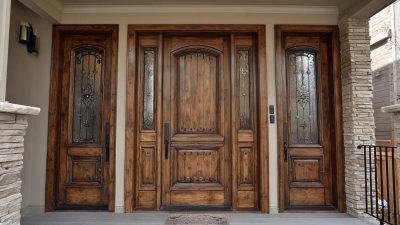
When selecting materials for doors and windows, understanding the common options is crucial. Wood is popular for its classic appeal and natural look. It has good insulation properties, but it requires regular maintenance. Over time, wood can warp or rot if not properly cared for. Another option is vinyl, which is durable and low-maintenance. It resists fading and does not require painting. However, some may find it less aesthetically pleasing than wood.
Aluminum is often chosen for its strength and lightweight nature. It offers a sleek, modern look and can be recycled, making it an eco-friendly choice. Nonetheless, aluminum can conduct heat and cold, leading to poorer insulation unless thermal breaks are integrated. Fiberglass is known for its durability and energy efficiency. It withstands harsh weather conditions but can be more expensive than other materials. Each material has its pros and cons, so exploring personal preferences and local climate factors is important.
Advantages and Disadvantages of Wood in Door and Window Construction
Wood is a traditional choice for doors and windows. Its natural beauty often enhances a home’s aesthetic appeal. According to the American Wood Council, wood provides superior thermal insulation compared to many synthetic materials. This natural insulation can lead to reduced energy costs. However, wood is not without its drawbacks.
Moisture can be a significant challenge for wooden structures. Over time, wood may warp, crack, or rot, especially in humid climates. This deterioration can compromise the safety and functionality of doors and windows. A report by the National Association of Home Builders highlights that maintenance costs for wood can be higher than for other materials due to the need for regular sealing and staining.
Additionally, while wood offers excellent durability, it is essential to consider weight and construction requirements. Heavier wooden doors may require more robust framing and hardware. Not every homeowner may be prepared to deal with the upkeep that wood demands. Some may prefer alternatives that promise lower maintenance, even if they sacrifice the timeless charm of wood.
The Benefits of Using Vinyl for Doors and Windows
Vinyl is becoming a popular choice for doors and windows, and for good reason. This material is durable and resistant to various weather conditions. Homeowners appreciate its ability to withstand moisture without warping or rotting. Many are drawn to its low maintenance needs, which means less time spent on upkeep.
The energy efficiency of vinyl products is another significant advantage. They provide excellent insulation, helping to keep homes comfortable year-round. This can result in lower energy bills, a factor that cannot be overlooked. With evolving designs, vinyl also offers aesthetic flexibility. It can mimic the appearance of wood while retaining the benefits of a synthetic material.
However, it’s important to consider some limitations. Vinyl can fade over time, losing its vibrant color. Also, not all vinyl is created equal, which makes it essential to choose wisely. A lack of knowledge about installation can lead to poor performance. Homeowners must weigh these factors when selecting materials for their doors and windows.
Exploring Metal Options: Aluminum and Steel for Doors and Windows
When considering materials for doors and windows, metal options like aluminum and steel offer unique advantages. Aluminum is lightweight and resistant to corrosion. This makes it a favorite for modern designs. Steel, on the other hand, provides strength and durability. Its structural integrity makes it ideal for security-focused installations.
Both materials can enhance the aesthetic appeal of your home. Aluminum comes in various finishes and colors, allowing for customization. Steel can be painted or coated to match design preferences. However, while aluminum may dent easily, steel requires regular maintenance to prevent rust. The choice between them often depends on personal needs and environmental factors.
Consider the climate where you live. Humid environments may favor aluminum to minimize rust issues. In secure installations, steel shines with its robust nature. It's important to evaluate long-term performance and maintenance needs before deciding. Balancing aesthetics with functionality is crucial, and sometimes, compromises need to be made.
Factors to Consider When Choosing Material for Doors and Windows
When selecting materials for doors and windows, several factors come into play. Durability is key. Materials like fiberglass and vinyl offer strong resistance to weather elements. They can withstand harsh conditions without warping or fading over time. However, it's crucial to assess the local climate before making a choice.
Aesthetics also matter. Choose materials that complement the style of your home. Wood can provide a classic, warm look, but it requires more maintenance. On the other hand, aluminum offers a modern touch with less upkeep. Keep in mind the trade-offs between style and durability.
Consider energy efficiency as well. Proper insulation can help reduce heating and cooling costs. Look for materials with good thermal performance ratings. It’s beneficial to review the energy efficiency of different options before deciding. Sometimes, the most beautiful material isn't the most practical in the long run. Reflect on your lifestyle needs and maintenance preferences to guide your choice.