What is the Best Quality for Residential Doors?
When choosing the best quality for residential doors, several factors come into play. These doors serve as the frontline for security, insulation, and style. A high-quality residential door not only enhances curb appeal but also ensures safety for your loved ones. It is vital to consider materials like wood, fiberglass, and steel, each with unique properties.
Expert opinions emphasize durability and weather resistance. Look for doors with solid cores and quality finishes. These features offer better protection against the elements. Many homeowners may overlook these details, thinking aesthetics alone is sufficient. However, a beautiful door should not compromise its functionality.
In addition, energy efficiency is crucial. Quality doors minimize heat loss, saving on energy bills. Nevertheless, not all residential doors offer the same benefits. Homeowners must balance design with practicality. Reflecting on your choices can lead to a more informed decision for lasting value.
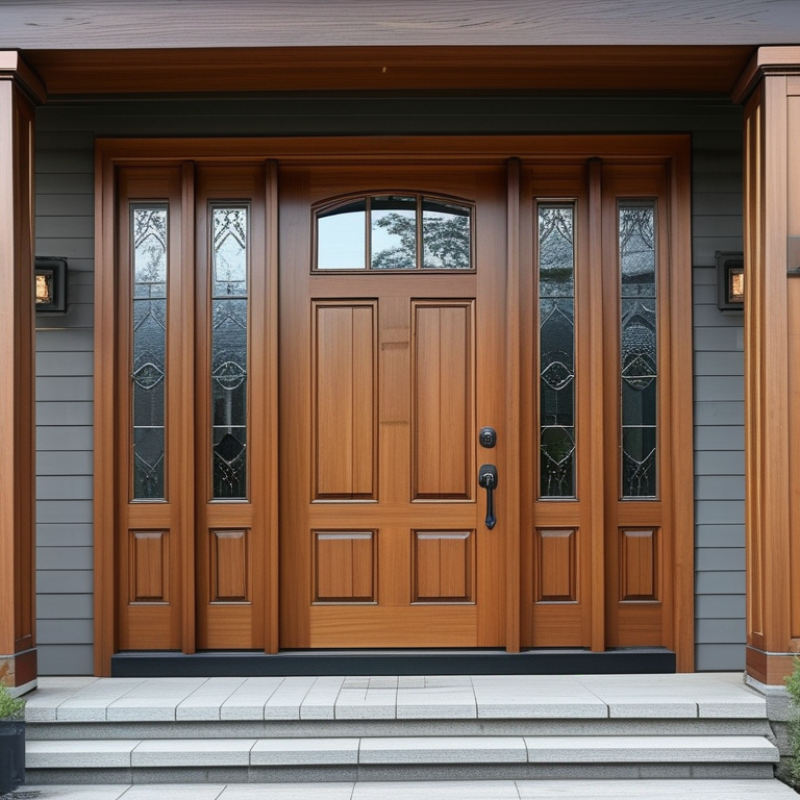
Types of Residential Doors and Their Qualities
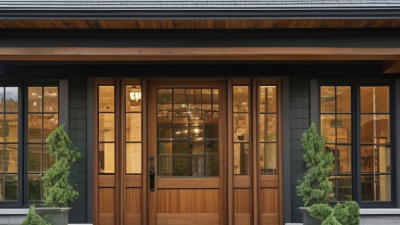
When considering residential doors, several types stand out, each offering unique qualities. The most common materials used include wood, fiberglass, and steel. Wood doors are classic and provide excellent insulation. Data shows that wood doors can reduce energy costs by 20-30% when properly sealed. However, they require regular maintenance to prevent weather damage.
Fiberglass doors are gaining popularity due to their durability and low maintenance. They resist dents and can mimic the look of wood while offering superior insulation. According to industry studies, these doors can improve energy efficiency by up to 15% compared to traditional wood doors. Yet, their initial cost can be higher, which may deter some homeowners.
Steel doors, while often less attractive, provide remarkable security. They are recognized for their strength and ability to resist forced entry. Reports indicate that homes with steel doors are 60% less likely to suffer break-ins. However, they may rust over time, which can become a concern. Homeowners must weigh security and aesthetic appeal when choosing the best door for their needs.
Material Considerations for Durable Residential Doors
When selecting durable residential doors, material considerations are crucial. Different materials offer varying levels of strength and durability. Common options include wood, fiberglass, and steel. Each has unique benefits and challenges. For example, wood provides warmth and aesthetic appeal but requires regular maintenance. On the other hand, fiberglass emerges as a strong contender, mimicking the look of wood without the upkeep.
When choosing a material, think about your climate. Areas prone to moisture might benefit from fiberglass and steel, as they resist warping and rust. It's essential to consider insulation values as well. A well-insulated door can enhance energy efficiency in your home.
When assessing options, prioritize durability and maintenance. Look for doors with warranties that reflect their lifespan. Research consistently shows that high-quality doors contribute significantly to a home’s security and energy efficiency. Measure how much wear and tear your door might face over time. A little reflection on your potential needs can lead to a more informed choice.
Energy Efficiency Features in Residential Doors
When choosing residential doors, energy efficiency is a critical factor. Energy-efficient doors help maintain a comfortable indoor temperature. They reduce heating and cooling costs throughout the year. An exterior door with proper insulation can significantly decrease energy loss. Look for options with a high R-value, indicating better insulation properties.
Sealing is another crucial aspect. Proper weather stripping around the door frame prevents drafts. This adds another layer of energy efficiency. Consider materials like fiberglass or steel, as they provide excellent insulation. While wooden doors can be beautiful, they may require more maintenance to keep their energy performance intact. Reflecting on energy efficiency can guide your choices.
However, not all options are perfect. Some doors may look appealing but fall short in insulation. It’s essential to balance aesthetics with functionality. When selecting a door, weigh the benefits carefully. Aim for doors that align with your home’s style while prioritizing energy savings.
What is the Best Quality for Residential Doors? - Energy Efficiency Features in Residential Doors
| Feature |
Description |
Benefits |
Energy Rating |
| Insulation |
High-quality insulation materials to reduce heat transfer. |
Maintains indoor temperatures, reduces energy costs. |
R-Value 5+ |
| Weather Stripping |
Seals around the door to prevent air leaks. |
Improves energy efficiency and comfort. |
N/A |
| Glass Options |
Double or triple-pane glass to increase thermal performance. |
Enhanced energy savings and reduced noise. |
Low-E Rating |
| Frame Material |
Materials such as fiberglass or vinyl that provide durability and insulation. |
Long-lasting and low maintenance. |
N/A |
| Energy Star Certification |
Certification indicating superior energy efficiency. |
Potential for rebates and lower energy bills. |
ENERGY STAR |
Security Features to Look for in Residential Doors
When choosing residential doors, security features are essential. Solid-core materials are better than hollow ones. A solid door can withstand force better. Look for a door made of good wood or steel. These materials provide added strength.
The locking mechanism is vital. Deadbolts are a must for enhanced security. Choose a door with a high-quality deadbolt. Often, standard locks are not enough. Consider adding a smart lock for convenience and extra protection.
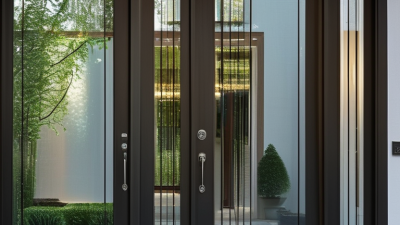
Additionally, door frame strength matters. A reinforced frame protects against kick-ins. Bolts and screws should secure the door well. Windows near doors can compromise security. Use laminated or tempered glass to improve their durability. Though these features add cost, they increase peace of mind. Evaluate the balance between cost and security carefully.
Aesthetic Impact of Residential Doors on Home Design
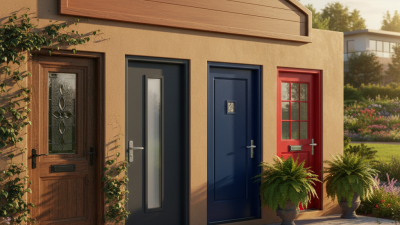
The aesthetic impact of residential doors is significant in home design. According to the National Association of Home Builders, an attractive entryway can increase curb appeal and property value by 10 to 15 percent. Homeowners often choose doors based on their visual appeal and how well they match the overall style of their house. A well-designed door can serve as a focal point, enhancing modern or traditional designs.
However, the materials and colors selected can change a home's aesthetic perception. For instance, a vibrant red front door can express personality and create energy, while a muted grey might convey sophistication. Data from the American Institute of Architects indicates that homeowners are increasingly opting for customized designs, reflecting personal taste and boosting individual identity within community settings. Yet, these choices might also lead to over-exaggerated designs that clash with neighborhood aesthetics.
In choosing residential doors, it is crucial to balance style with functionality. A door that looks fantastic but lacks durability can lead to issues in the long run. Opting for high-quality materials not only aids longevity but aligns with aesthetic goals. Some homeowners may overlook energy efficiency, which can compromise comfort and increase costs. Understanding these aspects can aid homeowners in making informed choices, blending beauty with practicality.
Aesthetic Impact of Residential Doors on Home Design