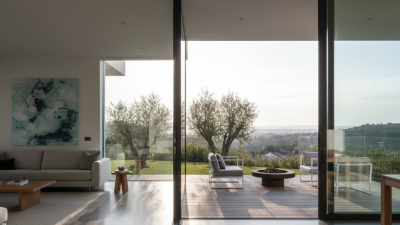
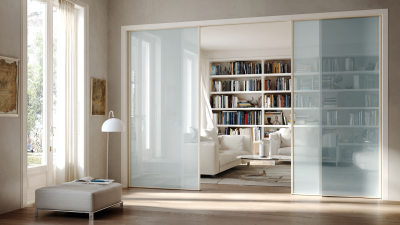
What is the Best Type of Interior Doors for Your Home?
When choosing interior doors for your home, the options can be overwhelming. Homeowners often seek doors that enhance aesthetics while providing functionality. Interior doors serve various purposes, from providing privacy to defining spaces. This vital decision influences the overall atmosphere of your rooms.
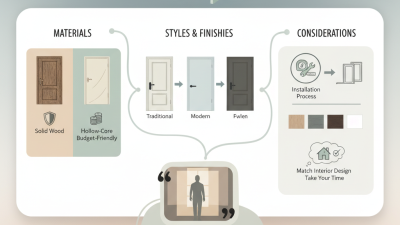
Consider the materials available. Solid wood doors offer durability and a classic look, while hollow core doors save money and weight. Each type has its merits. The choice you make will depend on your home's style and your personal needs. Too many options can lead to confusion. It's essential to reflect on what best suits your space.
Style is another critical factor. Traditional designs may attract some, while modern minimalist styles resonate with others. An interior door can complement the decor and add character. However, overlooking the practical aspects, like sound insulation and maintenance, can lead to regrets later. Striking a balance between beauty and utility is key.
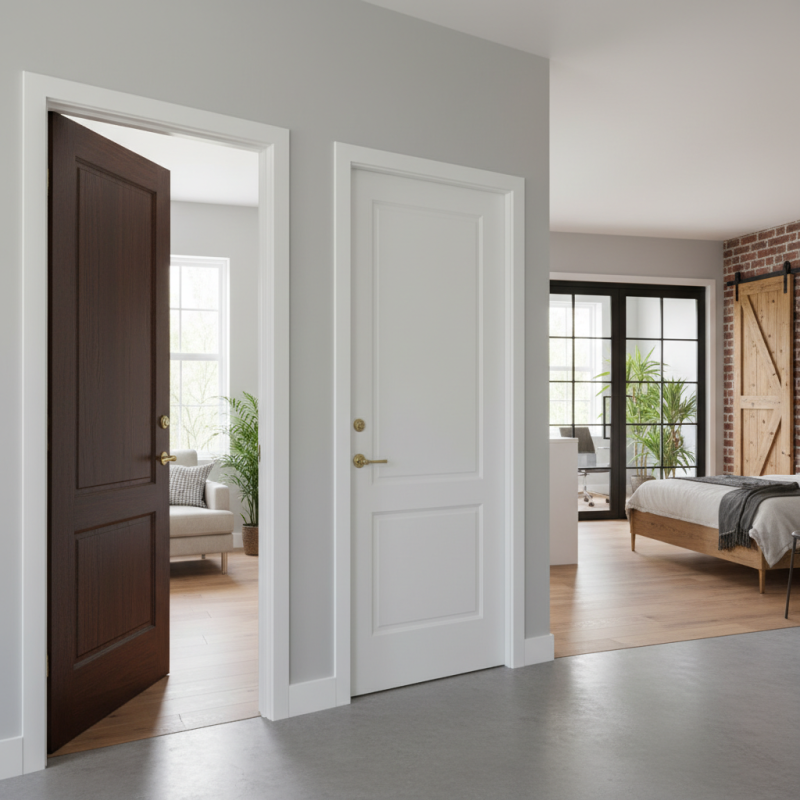
Factors to Consider When Choosing Interior Doors for Your Home
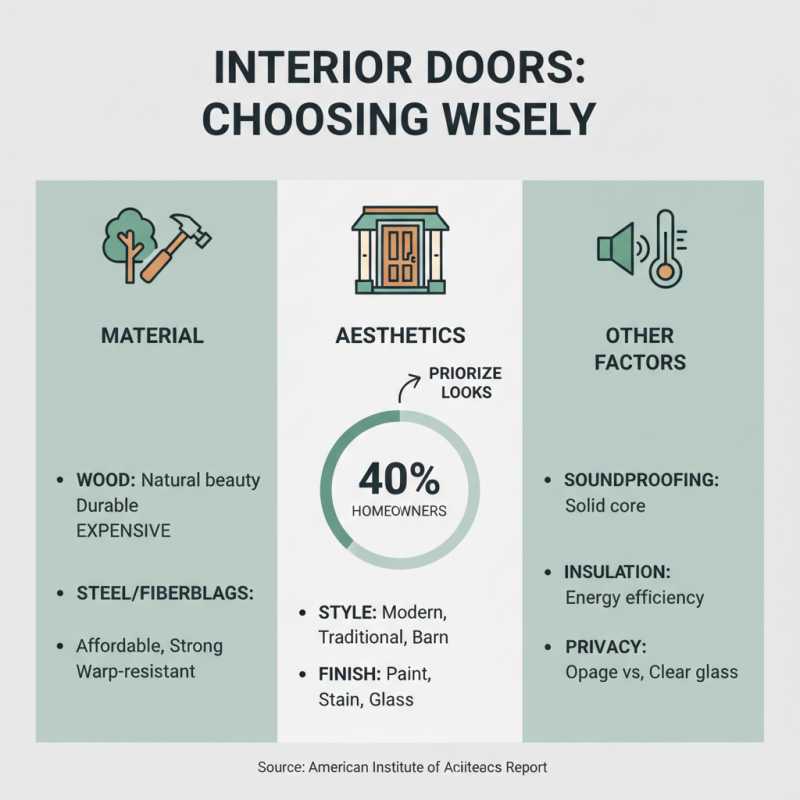
Choosing the right interior doors for your home can be challenging. There are several factors to think about. The door material is crucial. Wood doors offer natural beauty and durability. However, they can be expensive. Steel and fiberglass doors are more affordable options. They provide strength and are resistant to warping. According to a report by the American Institute of Architects, over 40% of homeowners prioritize aesthetics when selecting doors.
Another key factor is the door's design. Traditional styles often add a touch of elegance to a home. Modern designs can create a sleek look. It’s important to reflect your home's overall style. A poor choice can disrupt the visual harmony. Sound insulation is another consideration. Solid core doors provide better soundproofing than hollow core doors. The National Association of Home Builders suggests that sound insulation can enhance comfort in living spaces.
Budget is always a critical factor. Quality should not be compromised for cost. However, a more expensive door does not always mean better value. Maintenance and longevity also play a role in long-term expenses. Sometimes, opting for less popular styles can offer a unique touch at a lower price. Balancing these factors requires careful thought. Don’t rush, as the choice can significantly influence your home’s atmosphere.
Common Types of Interior Doors and Their Features
When choosing interior doors for your home, it's essential to understand the different types available. Often overlooked, the right door can enhance aesthetics and functionality. According to a report by the American Institute of Architects, well-selected doors contribute to better energy efficiency and home value.
Hollow core doors are a popular choice due to their affordability and lightweight design. They are easy to install and come in various styles. Solid core doors, on the other hand, offer superior sound insulation and durability. They are ideal for bedrooms and bathrooms where privacy matters. Bi-fold doors are excellent for maximizing space, allowing for a seamless flow between rooms.
Tip: Consider your home's layout when choosing door types. If you have limited space, opt for pocket doors. They slide into the wall and don’t require swing space. Keep in mind that different door materials may affect room acoustics. Lightweight doors can sound hollow when closed. Remember that aesthetics should not outweigh functionality. Balancing both will yield better long-term satisfaction.
Pros and Cons of Different Materials for Interior Doors
Choosing the right interior doors is essential for both aesthetics and functionality. Various materials come with distinct advantages and disadvantages. Solid wood doors offer durability and classic appeal. However, they can be expensive and may warp in humid conditions. According to the National Association of Home Builders, solid wood doors are often preferred for their insulation properties.
Hollow core doors can be lightweight and more affordable. They are easier to install and generally resistant to warping. Yet, they lack the sturdiness and soundproofing of solid wood. A recent study indicated that homeowners often prefer hollow core doors in high-traffic areas due to their practicality.
When selecting materials, consider your home's climate. In humid regions, materials like fiberglass or engineered wood may be wiser. These options resist moisture better than solid wood.
**Tip:** Always assess the door's weight. Heavier doors often indicate better quality.
Also, think about your everyday needs. Will these doors see frequent use? If so, durability should be a priority. Avoid choosing based solely on appearances. Balancing aesthetics with practicality can lead to better long-term satisfaction.
What is the Best Type of Interior Doors for Your Home? - Pros and Cons of Different Materials for Interior Doors
| Material |
Pros |
Cons |
| Hollow Core |
Lightweight, cost-effective, good for interior use |
Less soundproof, not very durable |
| Solid Core |
Better soundproofing, more durable than hollow core |
More expensive, heavier |
| Solid Wood |
Very durable, classic look, excellent soundproofing |
High cost, can warp with humidity, heavy |
| MDF (Medium Density Fiberboard) |
Smooth finish, resistant to warping, paintable |
Can be heavy, not as strong as solid wood |
| Glass |
Modern look, maximizes natural light, customizable |
Privacy issues, can be fragile |
| Paneled Doors |
Traditional style, range of materials available |
Can be more expensive, require more maintenance |
Stylish Design Options to Enhance Your Home's Interior
Interior doors play a crucial role in enhancing the aesthetic appeal of your home. Choosing the right type can transform a space, reflecting your style and taste. According to the National Association of Home Builders, over 70% of homeowners prioritize design when selecting interior features. This emphasizes the importance of selecting stylish door options that not only serve their function but also elevate the overall design of your home.
Various materials and designs are available, each bringing unique flair.
Solid wood doors offer richness and warmth, suitable for traditional interiors.
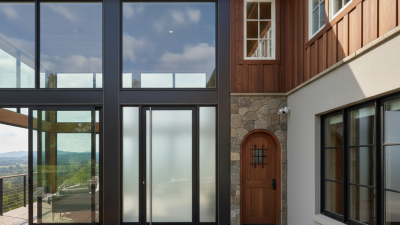
Alternatively, glass-paneled doors can create a sense of openness and light.
A study by the American Institute of Architects found that 60% of home designers recommend glass for contemporary settings.
However, it’s vital to consider the privacy these styles offer.
Open designs can sometimes expose living spaces, prompting questions about balance in a home’s layout.
While it's tempting to choose based solely on looks, functionality should not be neglected.
Heavy use areas may require more durable materials, while quieter spaces can benefit from designs that minimize sound transmission.
Understanding these aspects can help prevent costly renovations later on.
It's a delicate balance between style and practicality that homeowners must navigate.
Maintenance Tips for Various Interior Door Types
When choosing interior doors, maintenance plays a crucial role in longevity. Solid wood doors require periodic polishing to maintain their luster. They benefit from touch-ups for scratches. It’s wise to apply a fresh coat of paint every few years. This keeps wood protected from moisture.
Hollow core doors, on the other hand, are lighter and cost-effective. They need less maintenance but can suffer from dents. A simple routine of wiping them down with a damp cloth is often enough. If you notice blemishes, sanding and spot painting can revive their original look.
Glass doors can enhance your space but require careful attention. Regular cleaning is a must to avoid streaks. Ensure to check for any cracks or chips. Any damage can compromise their aesthetic and functionality. Keep in mind, neglecting these details may lead to more significant repairs down the line.
Types of Interior Doors and Their Maintenance Frequency