Best Efficient Windows for Energy Saving and Performance?
In today's world, energy efficiency is more crucial than ever. The demand for efficient windows is on the rise. According to the U.S. Department of Energy, windows account for up to 30% of heating and cooling energy use in homes. Choosing the right efficient windows can significantly reduce energy consumption.
Efficient windows not only save energy but also enhance overall performance. A report from the Lawrence Berkeley National Laboratory indicates that proper window installations can lead to energy savings of 10-25%. These windows are designed with low-emissivity (Low-E) glass and multiple panes, improving insulation. However, many homes still lack these upgrades, leading to wasted energy.
Investing in efficient windows is not just about immediate savings. It’s also about long-term value and comfort. Homeowners must consider their local climate and typical energy costs. The right choices can create a more sustainable and comfortable living environment. Yet, many do not take the necessary steps to evaluate their current windows. This lack of action calls for reflection on energy consumption habits. Choosing efficient windows is a step towards better energy stewardship.
Best Energy-Efficient Window Types for Optimal Performance
When choosing energy-efficient windows, it's vital to understand the types that offer optimal performance.
Double-glazed windows are popular for their insulation properties. They consist of two panes of glass separated by a layer of gas. This design reduces heat transfer. Yet, improper installation can lead to drafts, diminishing their efficiency.
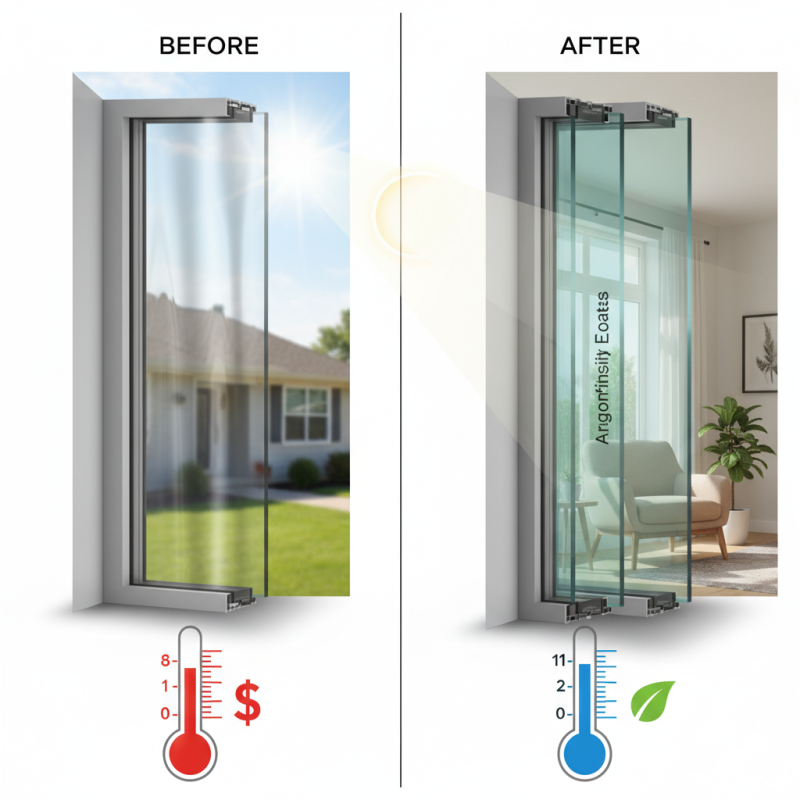
Another good option is low-emissivity (Low-E) windows. They have a special coating that reflects heat back inside during winter and keeps it out during summer. These windows can significantly lower energy bills. However, some homeowners find Low-E coatings can tint the glass, which may not be appealing.
Fiberglass frames are worth considering as they expand and contract like glass. This characteristic minimizes air leaks. Still, they might not have the same aesthetic appeal as wooden frames. Lastly, consider your local climate when selecting window types. Not every window performs well in every environment. Hence, proper research is essential before making a choice.
Comparative Analysis of Double Glazing vs. Triple Glazing Efficiency
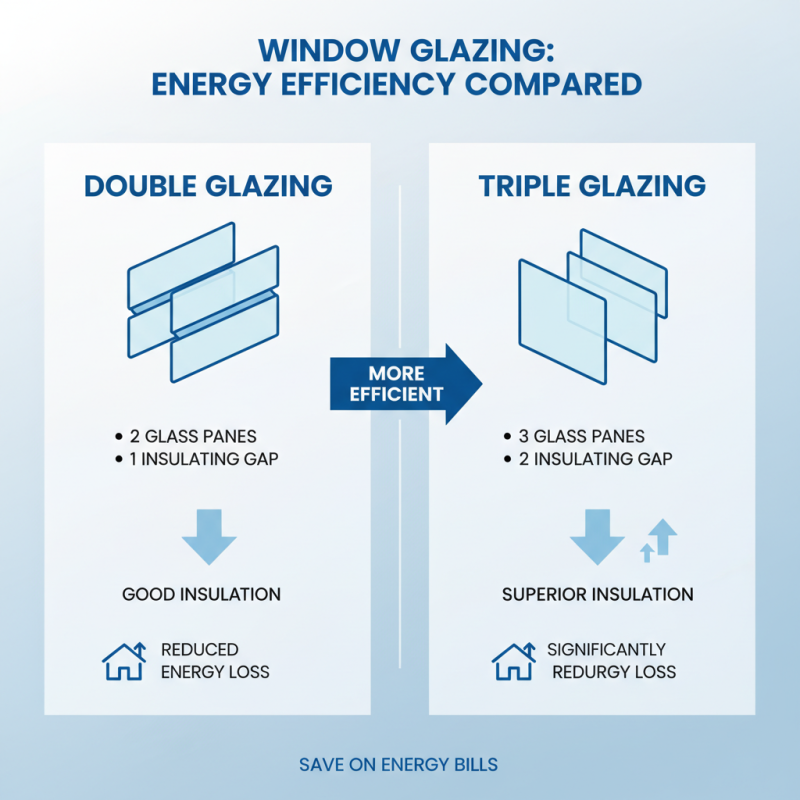
When considering energy efficiency in windows, double glazing and triple glazing stand out. Double glazing uses two panes of glass, while triple glazing adds a third pane for increased insulation. This difference can significantly affect energy consumption in homes.
In colder climates, triple glazing holds the advantage. It traps more heat, keeping homes warmer. Energy loss is minimized. However, triple glazing can be heavier and more expensive. Installation costs may rise due to the added weight. You might not want to overlook these factors.
**Tips:** Choose double glazing if you're on a budget. It still offers decent insulation. Assess your home’s specific needs. Sometimes, simple changes can yield great results. Consider the local climate, too. Is it worth the extra cost for triple glazing in milder areas? Reflect on your choices, as they impact long-term savings on energy bills.
Impact of Low-E Coatings on Window Performance and Energy Savings
Low-Emissivity (Low-E) coatings transform window performance. These coatings reflect heat while allowing natural light. They serve as a barrier against heat loss. According to the U.S. Department of Energy, Low-E windows can reduce energy bills by up to 30%. This is significant for both homes and businesses.
Low-E coatings can vary in effectiveness. Some may not perform as well in certain climates. It’s essential to consider local weather conditions when choosing a coating. A report by the National Renewable Energy Laboratory indicates that regions with high sun exposure benefit greatly from Low-E technology. The right choice can lead to improved comfort and reduced reliance on heating and cooling systems.
Understanding the specific needs of your home is crucial. Some may find they need multiple solutions for optimal performance. A thorough energy audit can help identify the best options. Not every Low-E coating will work for every situation. Energy efficiency is a journey, not a one-size-fits-all solution.
Best Efficient Windows for Energy Saving and Performance
| Window Type |
Low-E Coating Type |
U-Value (BTU/hr·ft²·°F) |
Solar Heat Gain Coefficient (SHGC) |
Visible Transmittance (VT) |
Energy Savings (%) |
| Double Glazed |
Hard Coat Low-E |
0.30 |
0.25 |
0.70 |
15% |
| Triple Glazed |
Soft Coat Low-E |
0.22 |
0.20 |
0.65 |
25% |
| Tilt Turn Windows |
Hard Coat Low-E |
0.28 |
0.30 |
0.67 |
20% |
| Casement Windows |
Soft Coat Low-E |
0.24 |
0.18 |
0.75 |
30% |
Role of Frame Materials in Energy Efficiency for Windows
When considering
energy-efficient windows, the role of
frame materials cannot be overlooked. Different materials provide varying levels of
insulation and durability. For instance,
vinyl frames offer good
insulation and require minimal maintenance. However, they may not be as durable as
wood or
fiberglass.
Wood frames are aesthetically pleasing and provide excellent insulation. Yet, they need regular upkeep to prevent rot and decay.
Fiberglass frames are highly durable and energy-efficient but can be more costly. Evaluating these options is crucial for making an informed decision that balances performance and budget.
Tips:
Consider the climate where you live. Different materials perform better in varying conditions. Look at your long-term maintenance commitment. Choose a material that fits your lifestyle preferences and maintenance abilities. Always check energy ratings to ensure maximum efficiency.
Energy Star Certification: Guidelines and Its Importance in Window Selection
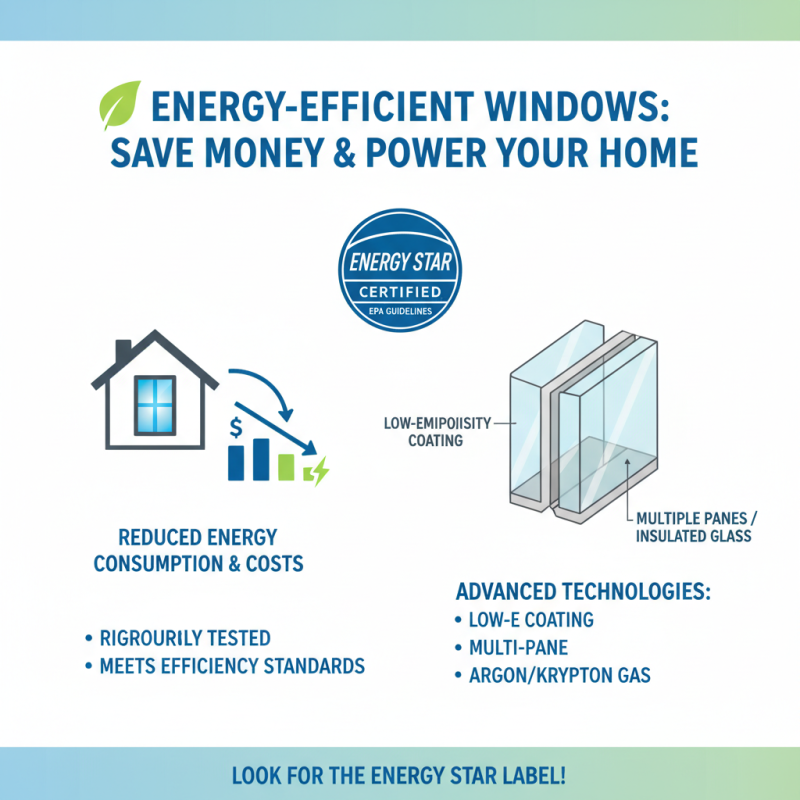
Choosing energy-efficient windows can significantly impact your home’s energy consumption. Energy Star certification is a crucial guideline in this selection process. It ensures that windows meet strict efficiency guidelines set by the Environmental Protection Agency. Such certification indicates that the product has been rigorously tested for energy performance. Windows with this label often feature advanced technologies, like low-emissivity coatings and multiple panes.
However, it’s important to remember that not all Energy Star windows may suit your specific needs. Factors like climate, installation quality, and your home’s orientation play a role in performance. Some homeowners might find that even certified windows do not perform as expected in certain situations. Proper installation is key. Poorly installed windows can lead to air leaks, negating their energy-saving features. Always consider local conditions and unique home features when selecting windows.
Incorporating Energy Star windows into your home could lead to noticeable savings and comfort. Still, one must analyze personal lifestyle and surrounding environment. The decision process can involve many nuances. Understanding these aspects deeply may lead to a more informed choice. Investing time in research is essential for long-term benefits.