How to Choose the Best Doors and Windows for Your Home?
Choosing the right doors and windows is crucial for any homeowner. Statistics indicate that nearly 30% of a home's energy loss occurs due to inefficient doors and windows. Selecting quality options can greatly improve energy efficiency. Homeowners can save up to $500 annually on energy bills by investing in better designs.
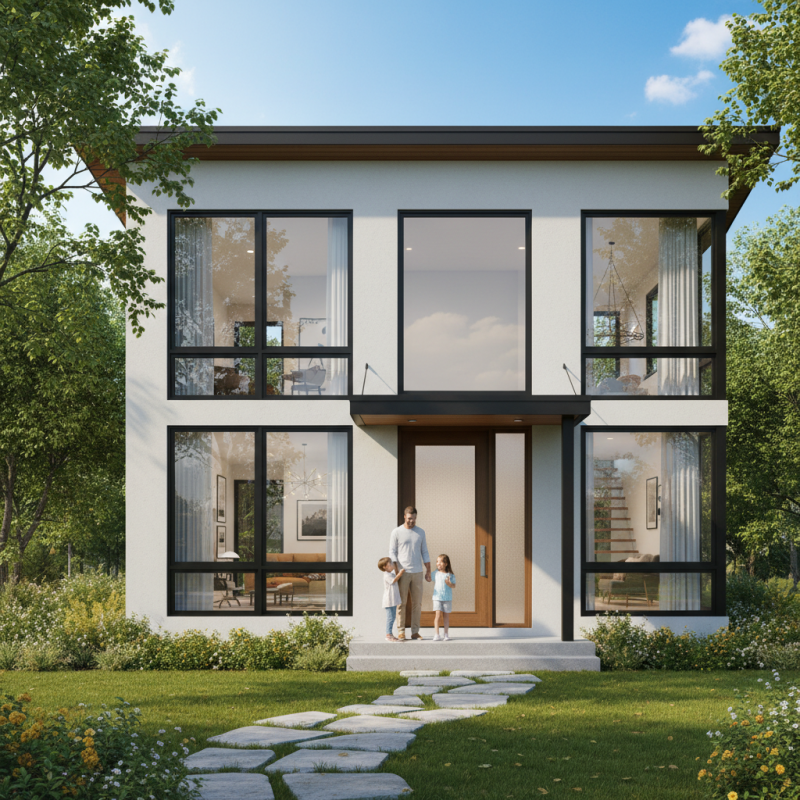
The aesthetics of doors and windows also impact the overall look of your home. Research shows that well-chosen windows can enhance resale value significantly. Potential buyers often prioritize energy-efficient designs and beautiful features. Aesthetics matter.
However, selecting the perfect doors and windows can be subjective and challenging. Homeowners may struggle with balancing style, functionality, and budget. It's essential to consider local climate, home style, and specific needs. This process demands careful reflection and personal preference to create a harmonious living space.
Factors to Consider When Choosing Doors and Windows for Your Home
Choosing the right doors and windows for your home can be overwhelming. One key factor is energy efficiency. Look for options with high energy ratings. This can help reduce your utility bills. You might find it easy to overlook this aspect initially. However, the impact is significant over time.
Durability is another essential consideration. Doors and windows should withstand various weather conditions. Check materials like vinyl, wood, and fiberglass. Each has pros and cons that you must evaluate. For instance, wood can be beautiful but requires more maintenance. Think about how much effort you're willing to invest in upkeep.
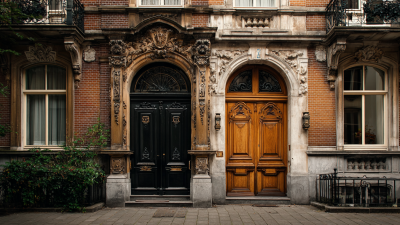
Aesthetics matter too. The design should complement your home's style. Color, finish, and design make a big difference. You might struggle to find the perfect match. It’s okay to explore different styles before deciding. Keep in mind that personal taste can evolve, making it essential to choose thoughtfully.
Types of Doors: Styles, Materials, and Uses
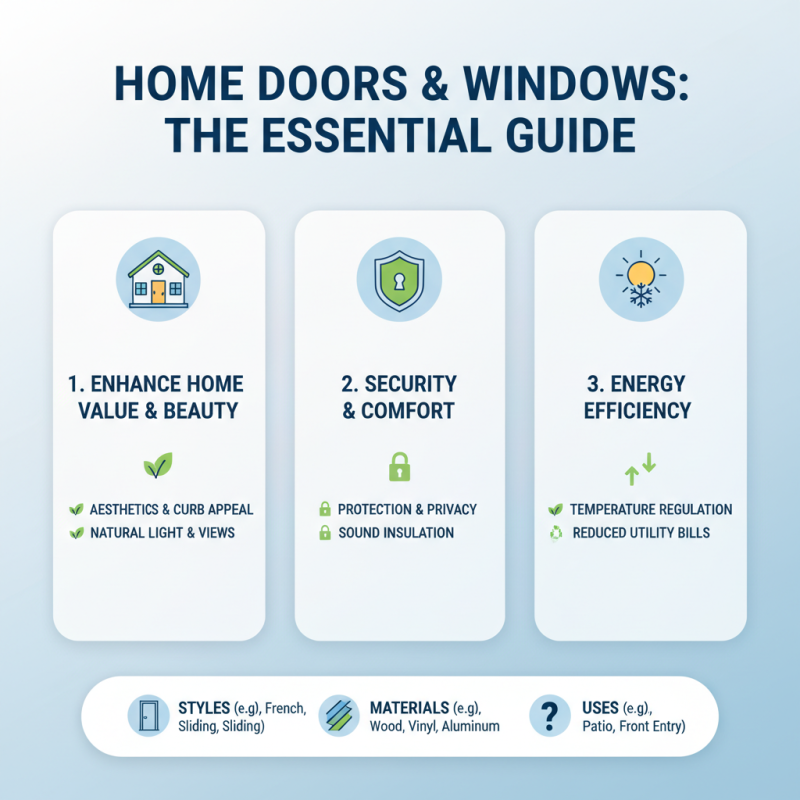
Choosing the right doors and windows is crucial for your home. They not only enhance aesthetics but also ensure security and energy efficiency. There are various styles, materials, and uses to consider.
For doors, popular materials include wood, fiberglass, and metal. Wooden doors offer warmth and charm. Fiberglass doors resist weather better and need less maintenance. Metal doors are strong, providing excellent security. According to a recent industry report, homes with fiberglass doors have reported a 20% reduction in energy costs.
Windows come in different styles like casement, double-hung, and sliding. Casement windows are excellent for ventilation. Double-hung windows offer versatility and ease of cleaning. Energy-efficient windows can lower heating and cooling costs significantly. A study shows that homes with energy-efficient windows can save up to 15% on utility bills.
Tip: Always check local building codes before making decisions. This helps you avoid costly mistakes. Measure all openings carefully to ensure a perfect fit. Don't rush—take your time to research materials and styles. Making informed choices will pay off in the long run.
Window Options: Styles, Materials, and Energy Efficiency
When choosing windows for your home, several factors come into play. Styles matter. Common options include double-hung, casement, and sliding windows. Each offers unique aesthetic and functional benefits. According to the U.S. Department of Energy, energy-efficient windows can reduce heating and cooling costs by 7% to 15%. This is significant. Saving energy translates to saving money.
Materials also influence your choice. Vinyl windows are popular due to their durability and low maintenance. Wood offers classic beauty but requires regular upkeep. Aluminum is sturdy. However, it can have lower insulation values. A report from the National Fenestration Rating Council shows that windows with a high Insulation Value can further reduce energy loss. But not all homeowners prioritize this.
In energy efficiency, consider the window's U-value. A low U-value indicates better insulation. Sometimes, however, people overlook this detail. They choose based on appearance rather than performance. It’s easy to get distracted by aesthetics. Don’t forget to weigh your options carefully. Balancing style with functionality can be challenging but worthwhile in the long run.
Assessing Security Features in Doors and Windows
When choosing doors and windows, security features are crucial. A solid door can deter intruders. Look for steel or composite materials. Reinforced frames add extra strength. Remember, not all doors are created equal. Some may appear sturdy but lack adequate locks.
Windows should also have secure locks. Double- or triple-glazed windows are harder to break. Consider laminated glass for additional protection. Many overlook the importance of window screens. A simple screen can be a weak point. It may not stop a determined burglar.
Lighting around doors and windows matters too. Motion-sensor lights can discourage unwanted visitors. Yet, installing these features is just one step. Regular maintenance is vital; check for wear and tear. Even the best systems can fail if neglected. Security is a continuous process; reassess regularly.
How to Choose the Best Doors and Windows for Your Home? - Assessing Security Features in Doors and Windows
| Type |
Security Feature |
Material |
Energy Efficiency |
Average Cost ($) |
| Entry Door |
Reinforced Locks |
Steel |
High |
500 |
| Sliding Door |
Anti-Lift Blocks |
Vinyl |
Medium |
400 |
| Casement Window |
Multi-Point Locking |
Wood |
High |
700 |
| Double-Hung Window |
Secure Locking Mechanism |
Aluminum |
Medium |
600 |
| Bay Window |
Reinforced Glass |
Fiberglass |
High |
800 |
Tips for Maintaining and Upgrading Your Home's Doors and Windows
When it comes to maintaining and upgrading your home's doors and windows, small changes can make a big impact. Regular inspections can help you identify issues early. According to the U.S. Department of Energy, windows account for 25-30% of residential heating and cooling costs. Upgrading to energy-efficient windows can reduce these costs significantly.
Tip: Look for windows with the Energy Star label. They can help lower your energy bill by 12% on average. Regular maintenance is just as crucial. Clean tracks and inspect seals to prevent drafts and moisture buildup. Tasks like re-caulking can extend the lifespan of your windows and doors.
Moreover, consider the materials you choose. Wood, fiberglass, and vinyl each have unique benefits and drawbacks. Wood has aesthetic appeal but requires more maintenance. Fiberglass offers durability, while vinyl is low-maintenance. Reflect on what suits your lifestyle best. An unsuitable choice could lead to extra costs later on. A balance between aesthetics, function, and maintenance needs is essential for effective upgrades.
Window and Door Upgrade Preferences