2026 How to Choose the Best Doors and Windows for Your Home?
Choosing the right doors and windows for your home can significantly impact energy efficiency and aesthetics. According to a recent industry report by the National Association of Home Builders, more than 70% of homeowners prioritize energy-efficient windows for their new builds. Dr. Emily Carter, a leading expert in residential construction, emphasizes, "The right selection of doors and windows can enhance both comfort and value."
Many homeowners overlook the long-term savings that come from quality doors and windows. Investing in durable, energy-efficient options can reduce heating and cooling costs. For example, double-glazed windows can lower energy bills by up to 25%. However, it’s essential to consider local climate conditions and architectural styles when making your choice.
Reflecting on personal needs is crucial. Some homeowners may favor traditional wood doors, while others lean towards modern fiberglass options. Each material presents unique benefits and challenges. Understanding these differences can help make the selection process less overwhelming. Ultimately, the best choice should balance functionality with personal style, ensuring a harmonious fit in your home.
Factors to Consider When Selecting Doors and Windows for Your Home
When selecting doors and windows for your home, several key factors come into play. Energy efficiency is a primary concern. According to the U.S. Department of Energy, windows account for 25% to 30% of residential heating and cooling energy use. Choosing ENERGY STAR certified products can significantly reduce these costs. Consider the climate in your area. Regions with extreme temperatures benefit from insulated frames and double or triple glazing.
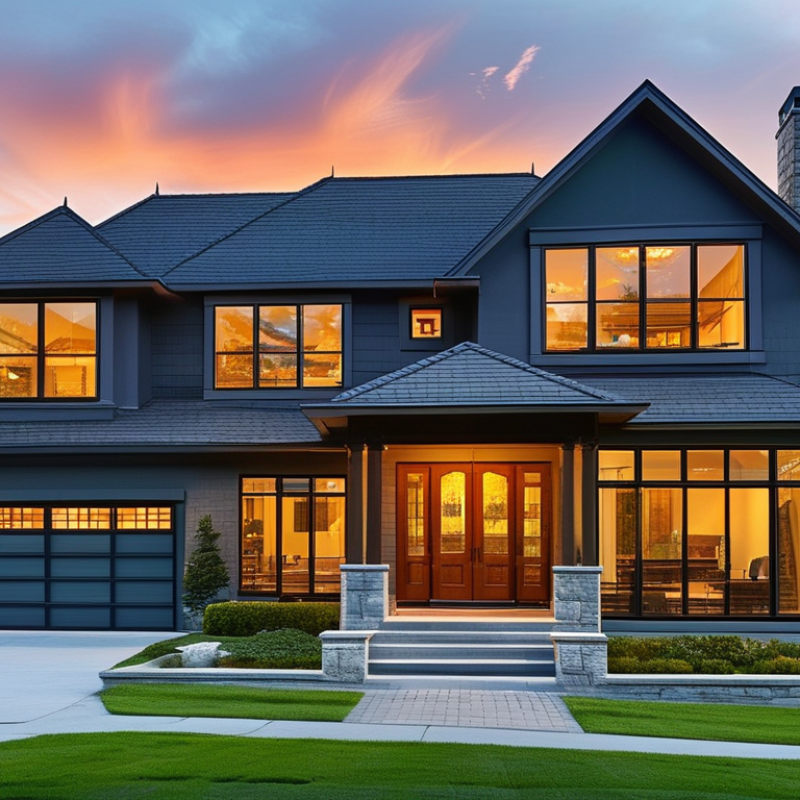
Security is also paramount. A 2022 report indicated that break-ins occur every every 30 seconds in the U.S. Strong and reinforced doors can deter potential intruders. Additionally, proper installation is crucial. Poorly fitted doors and windows can lead to drafts and security vulnerabilities, reducing your home's overall energy efficiency and safety. Don’t forget the aesthetic appeal. Your choice should blend functional value with the architectural style of your home. A mismatched door or window can affect curb appeal.
Budget is a critical factor too. Quality products might have a higher upfront cost but can offer long-term savings through durability and energy efficiency. Cheaper options may require frequent replacements or repairs. Reflect on these aspects carefully when making your selections. Balancing cost, efficiency, and design is not an easy task, but it is essential for a well-rounded choice.
Understanding Energy Efficiency Ratings for Doors and Windows
When selecting doors and windows, energy efficiency plays a critical role. Energy efficiency ratings provide insights into how well a product can insulate your home. You’ll often see terms like U-factor and Solar Heat Gain Coefficient (SHGC). Understand these ratings to make informed decisions.
The U-factor indicates how well a window or door can prevent heat from escaping your home. A lower U-factor means better insulation. In colder climates, this is especially crucial. SHGC measures how much solar heat passes through. A lower SHGC is desirable in hot regions, while a higher value might be beneficial in colder areas.
Consider the material as well. Wood, vinyl, and fiberglass perform differently. Each comes with its own set of pros and cons. Reflect on the maintenance needs and lifespan of each option. Don’t rush the process; take your time to compare choices. Remember, investing in energy-efficient doors and windows today will save you significant costs tomorrow. Malfunctions happen, and not every choice remains effective in the long run.
Types of Materials for Doors and Windows: Pros and Cons
When it comes to choosing doors and windows, the material you select plays a crucial role. Each material has distinct advantages and drawbacks. Wood is a classic choice, offering natural beauty and excellent insulation. However, it can warp over time and requires regular maintenance. Metal, often aluminum or steel, is durable and low-maintenance. It stands up well to the elements but can conduct heat, making it less energy-efficient.
Vinyl is another popular option. It's lightweight, affordable, and resistant to moisture. The downside? It can fade over time and lacks the elegance of wood. Fiberglass provides a strong alternative. It can mimic wood but is more resilient. Though it tends to be pricier, its longevity may justify the investment.
Ultimately, the best choice depends on your specific needs and environment. Think about the climate in your area, the architectural style of your home, and your budget. Making a well-informed decision can enhance your home’s aesthetic appeal and functionality.
Types of Materials for Doors and Windows: Pros and Cons
Design and Aesthetic Considerations for Home Doors and Windows
When choosing doors and windows for your home, design and aesthetic considerations are crucial. They significantly impact your home's personality. For instance, a sleek, modern design might enhance a contemporary home. In contrast, ornate wooden doors may suit a traditional setting better. Color and texture also matter. Choosing natural wood or bold colors can create focal points.
Think about how light enters through windows. Large panes can open up spaces, making them feel airy. Meanwhile, smaller, strategically placed windows provide intimacy and character. The frame style contributes to the overall look as well. Simple, clean lines evoke a minimalist feel. On the other hand, decorative casings can add depth and charm.
Reflecting on your choices is essential. Are you keeping function in mind? Sometimes, a beautiful window might not offer the best insulation. A door with stunning details might lack security features. Prioritize aesthetic appeal but also consider comfort and safety. Balancing these elements creates a harmonious environment.
2026 How to Choose the Best Doors and Windows for Your Home? - Design and Aesthetic Considerations for Home Doors and Windows
| Type |
Material |
Energy Efficiency |
Cost (per unit) |
Aesthetic Appeal |
| Front Door |
Fiberglass |
High |
$800 |
Elegant and Inviting |
| Patio Door |
Vinyl |
Moderate |
$600 |
Contemporary Look |
| Window |
Aluminum |
High |
$300 |
Sleek and Modern |
| Sliding Window |
Wood |
Moderate |
$400 |
Classic Charm |
| French Door |
Wood |
High |
$1000 |
Sophisticated |
Costs and Installation Factors for Choosing Doors and Windows
When considering doors and windows for your home, costs and installation factors play a vital role. The materials you choose directly affect the overall price. For example, wood may provide a classic feel but often comes with a higher maintenance cost. Vinyl is budget-friendly yet may not offer the same aesthetic appeal. Keep in mind that higher upfront costs can lead to long-term savings through energy efficiency.
Installation is another factor that shouldn’t be overlooked. Proper installation is crucial for insulation and security. Poorly installed windows can lead to leaks, increasing energy bills. Hiring a professional may seem costly, but it often saves you money in the long run. DIY installation might seem attractive, but it's worth reflecting on your skills. Mistakes can lead to costly repairs later. Carefully evaluate your budget, desired aesthetics, and installation expertise when making your decision.