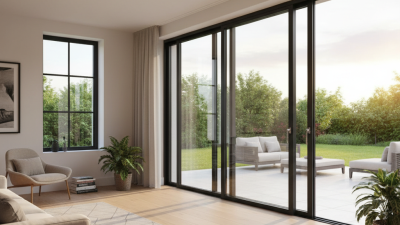
Why Choose Patio Doors and Windows for Global Projects?

Global projects demand more than attractive openings. They require dependable performance across climates, building types, and installation conditions. Patio doors and windows can shape daylight, ventilation, access, and energy use. A glazed opening also affects security, acoustics, and daily comfort.

For a coastal hotel, salt air may challenge hardware and protective finishes. In a cold region, thermal breaks and low-emissivity glass can reduce interior heat loss. These details deserve early attention. Experienced project teams compare frame materials, glass configurations, drainage design, and hardware before approving specifications. They review wind loads, water resistance, air leakage, and thermal performance with qualified suppliers. Local building requirements must guide the final design. International experience helps, but it never replaces local verification. Clear drawings, physical samples, test reports, and installation instructions reduce costly assumptions. Reliable manufacturers should explain limitations, lead times, warranty terms, and replacement support. That honesty matters.

The strongest choice is not always the most expensive system. It should suit the climate, use, budget, and maintenance capacity. A large sliding panel may impress visitors, yet it can require precise leveling and regular track cleaning. Small oversights can become visible problems. Project reviews should include installers and facility managers, not only designers. Early plans may still miss practical issues. This article examines why patio doors and windows support global projects while questioning where they may create risks. Good decisions remain open to evidence, testing, and revision. Performance matters.
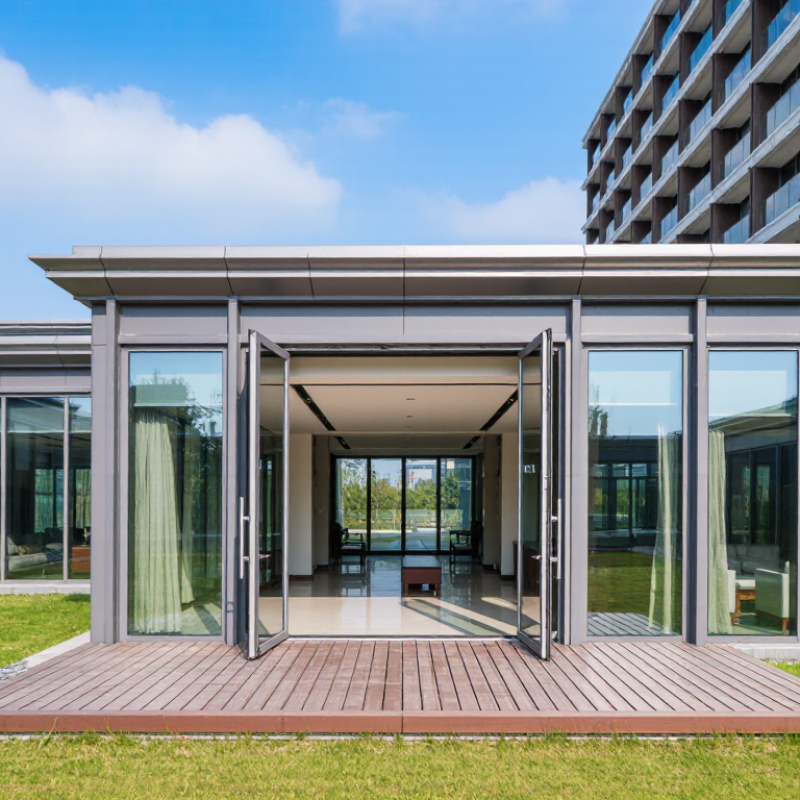
Why Choose Patio Doors and Windows for Global Projects?

Definition and Scope of Patio Doors and Windows in Global Projects

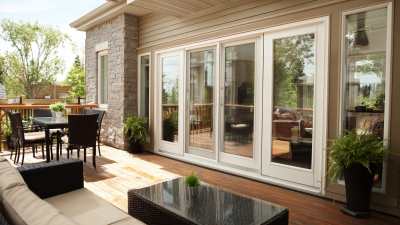
In global construction, patio doors and windows are not simply glass openings beside an outdoor area. They are building components that connect interior rooms with balconies, terraces, gardens, or shared courtyards. A patio door usually provides a larger operable passage, while a patio window focuses on daylight, ventilation, and views. The definition changes slightly by region, project type, and local code. In apartments, the system may require fall protection and acoustic control. In hospitality projects, it may support frequent use and wider circulation. In cold climates, thermal breaks and low-emissivity glazing matter. In humid or coastal locations, drainage, corrosion resistance, and water management become critical. Small details matter.

The scope includes design, material selection, fabrication, delivery, installation, testing, and maintenance. A reliable specification should address air leakage, water penetration, wind pressure, thermal performance, safety glazing, hardware durability, and accessibility. It should also consider local standards, energy targets, fire strategies, and available installation skills. From project experience, a beautifully drawn system can fail when tolerances are ignored. A frame may fit the opening, yet poor flashing can still invite water. This is where technical reviews and site mock-ups earn their value. They expose weak assumptions early. Global procurement adds another layer. Shipping dimensions, packaging, replacement parts, and installer training can affect real performance. I would not call any system universally suitable because climate data and user habits differ. Some specifications still underestimate cleaning access. That oversight deserves a second look.

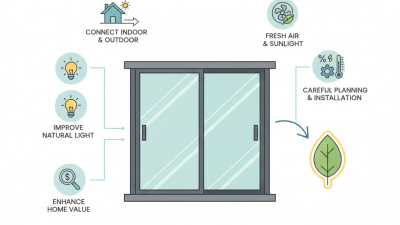
Patio doors and windows are architectural systems that connect indoor and outdoor spaces while supporting daylight, ventilation, views, energy performance, and access. The high urban population shares shown above indicate why these products are relevant to residential, hospitality, and mixed-use projects worldwide. Regional requirements still vary according to climate, building codes, safety standards, and local construction practices.

Data source: World Bank, Urban population (% of total population), 2023 regional aggregates. Values are rounded.

Key Design and Performance Factors for International Building Needs

Patio doors and windows must respond to climate, orientation, and daily use, not only visual design. The International Energy Agency’s Buildings 2023 report states that building operations use about 30% of global final energy. This makes envelope performance a serious design decision. In project reviews, I look first at U-value, solar heat gain coefficient, air leakage, and frame thermal bridges. A low U-value helps in cold climates, while controlled solar gain can reduce overheating in sunny regions. Glass selection should follow the façade’s orientation.

Water and wind resistance also matter. A coastal project may need corrosion-resistant hardware, laminated glazing, and stronger drainage details. In high-rise applications, pressure testing should reflect local exposure rather than a generic specification. The U.S. Department of Energy reports that windows can represent 25–30% of residential heating and cooling energy use. Small gaps can become expensive weaknesses.

Human comfort is less visible, but equally important. Narrow thresholds support accessibility, while robust rollers improve long-term operation. Acoustic laminated glass can help beside airports or dense roads. Local standards must be checked, because one certificate rarely proves performance everywhere. That part is often underestimated. Designers should also consider cleaning access, replacement logistics, and maintenance skills available on site. No specification is perfect. A highly insulated frame may still fail if installation tolerances are ignored. Prototype testing, mock-ups, and independent performance records provide more reliable evidence than attractive drawings alone.

Material, Energy Efficiency, and Climate Adaptation Considerations

Why Choose Patio Doors and Windows for Global Projects?

Material selection shapes performance long before installation. Thermally broken aluminum offers strength and narrow frames, while engineered wood can reduce heat transfer. Recycled content also matters, but transport distance and local recycling systems deserve attention. ISO 10077-1 provides a reliable method for evaluating window and door thermal performance. Project reviews often show one weakness: excellent glass cannot fix poor frame design or careless installation.

Energy efficiency is central to global construction. The UNEP Global Status Report for Buildings and Construction 2023 states that buildings consume about 30% of global final energy. They also produce roughly 26% of energy-related emissions. Low-emissivity glazing, insulated frames, and tight weather seals can reduce unwanted heat movement. The U.S. Department of Energy notes that windows may account for 25–30% of residential heating and cooling energy use. Climate adaptation requires more than insulation. In hot regions, external shading limits solar gain. In cold or storm-prone areas, drainage, impact resistance, and wind-load testing become essential. No specification is perfect.

Tips: Match the U-value and solar heat gain coefficient to the local climate. Test full-size assemblies, not only samples. Check condensation risks at corners. Review maintenance access before approving the design. A darker frame may absorb more heat than expected. That detail is easy to miss.

Installation, Standards, and Logistics Across Different Countries

Why Choose Patio Doors and Windows for Global Projects?

Global projects need more than attractive glass openings. They require installation methods that survive different climates, standards, and supply routes. The International Energy Agency reports that buildings consume about 30% of global energy. Window performance therefore affects comfort and operating costs. The U.S. Department of Energy also estimates that windows can cause 25–30% of household heating and cooling energy use. Thermal breaks, low-emissivity glazing, and accurate frame installation deserve serious attention.

Standards change by country. European projects may follow EN 14351-1, while Australia commonly references AS 2047. North American specifications often require tests for air leakage, water penetration, and structural pressure. ASTM E283, E331, and E330 provide useful testing references. Local wind zones, rainfall, fire rules, and accessibility requirements still control the final design. A tested product is not automatically suitable everywhere. Details matter.

Installation planning should include sill drainage, compatible membranes, fastener spacing, and tolerance checks. On site, a few millimeters can affect sealing and door movement. This is where plans often fail. Logistics also need practical control. UNCTAD reports that shipping carries over 80% of world merchandise trade by volume, so packaging must resist moisture, vibration, and repeated handling. International delivery adds customs documents and longer replacement times. In my experience, mock-up testing exposes problems early, although it can slow the schedule. That inconvenience is usually cheaper than correcting leaks after handover. Twitter

Long-Term Value, Maintenance, and Project Sustainability Benefits

Why Choose Patio Doors and Windows for Global Projects?

Long-term value matters when patio doors and windows serve homes, hotels, and commercial spaces worldwide. Well-designed units can improve daylight, ventilation, acoustic comfort, and energy performance. Their value depends on more than appearance. Frame materials, glazing, drainage, hardware, and installation quality all affect service life. In coastal areas, salt exposure can accelerate corrosion. In colder regions, weak sealing may cause condensation and heat loss. Project teams should match specifications with local climate data and building requirements.

Tips: Request verified performance data before approval. Check thermal values, air leakage, water resistance, and wind-load ratings. Confirm replacement hardware availability in the target market. A maintenance schedule should include track cleaning, seal inspection, and fastener checks. Keep installation records, even for small projects. They can prevent expensive guesswork later.

Sustainable design also requires practical thinking. Durable windows reduce replacement waste and protect interior finishes from moisture damage. Operable patio doors may support natural ventilation, lowering reliance on mechanical cooling during mild weather. Recyclable materials can help, but recycling access varies between countries. That detail is often overlooked. Embodied carbon, transport distance, and packaging should be reviewed with operational energy. No installation plan is perfect. Unexpected movement, local workmanship, or limited maintenance skills may still create problems. A reliable specification leaves room for inspection, training, and honest performance reviews.