How to Choose the Best Sliding Doors for Your Home?
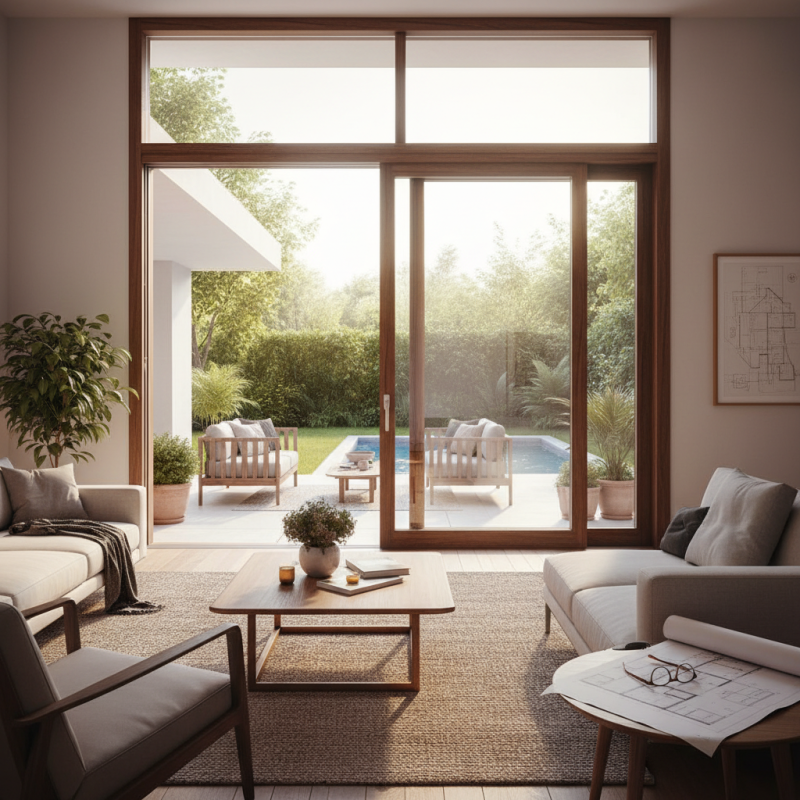
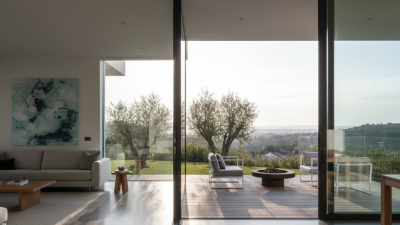
When considering the best sliding doors for your home, it’s essential to consult industry experts. Renowned architect Sarah Johnson emphasizes, “The right sliding doors can transform your living space, enhancing both functionality and design.” Sliding doors are more than just a means of entry; they serve as a bridge between indoor and outdoor spaces.
Choosing sliding doors requires careful thought. Factors like material, style, and energy efficiency are crucial. Glass sliding doors offer natural light and a sense of openness, but maintenance can be a concern. Wooden options provide warmth but may require more upkeep.
Ultimately, the decision may feel overwhelming. Homeowners often struggle to find the perfect balance between aesthetics and practicality. Reflecting on your lifestyle and needs can guide you. Think about how often you use that door. Sliding doors should complement your home while remaining functional.
Understanding the Different Types of Sliding Doors Available
When considering sliding doors for your home, it's crucial to understand the types available. Traditional sliding doors usually have a single track.
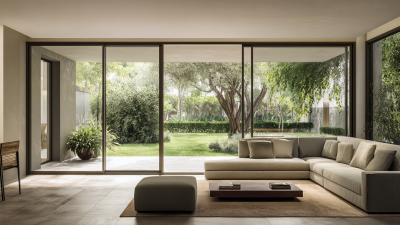
These doors glide smoothly along this track, providing easy access to outdoor spaces. They often come in glass, allowing for natural light to brighten up your rooms. However, their large size can be a concern for smaller spaces.
Bi-fold sliding doors have become popular recently. They consist of multiple panels that fold against one another.
This design allows for wider openings, perfect for entertaining. Yet, they require more wall space and may complicate installation. Make sure to think about your layout before choosing this option.
Pocket sliding doors are another choice. These doors slide into walls, saving space. They work well in tight areas. Still, installation can be tricky and costly. Ensure your walls can accommodate this type of door. Each style and material offers different benefits and drawbacks. Take the time to weigh your options carefully.
Key Factors to Consider When Selecting Sliding Doors
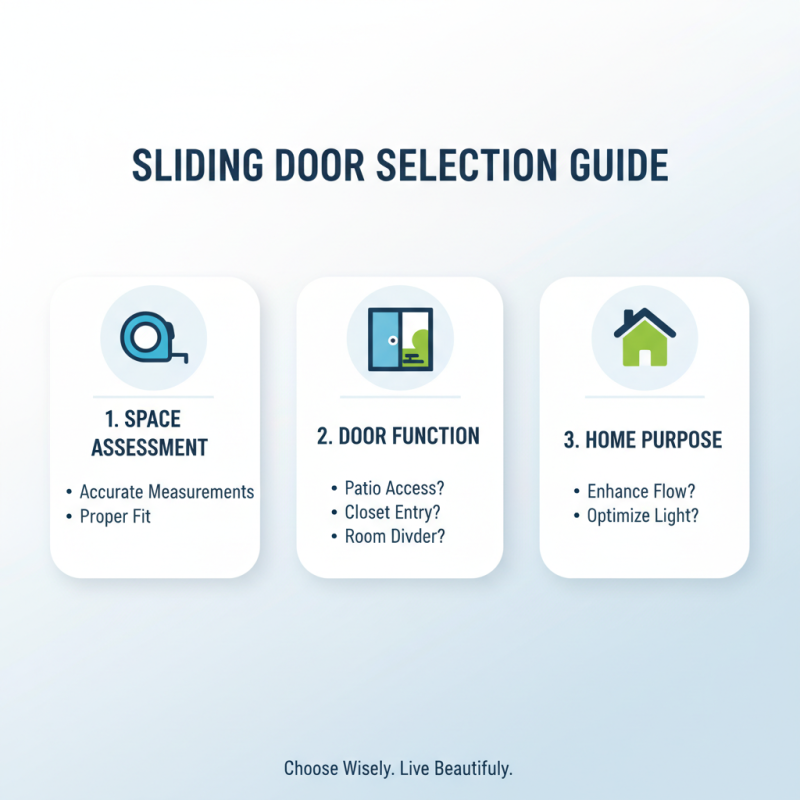
Choosing sliding doors for your home involves careful consideration of several factors. First, assess your space. A well-measured area ensures your chosen doors fit correctly. Inadequate measurements can lead to unsatisfactory results. Consider the function of the doors too. Are they for a patio, closet, or divider? Each serves a unique purpose, impacting your choice.
Materials play a crucial role. Popular options include wood, vinyl, and aluminum. Wood offers warmth but requires maintenance. Vinyl is durable and easier to clean. Aluminum may suit modern aesthetics but can lack insulation. Think about durability and style. Then, consider the door's operation. Smooth gliding is essential. No one wants doors that stick or jam.
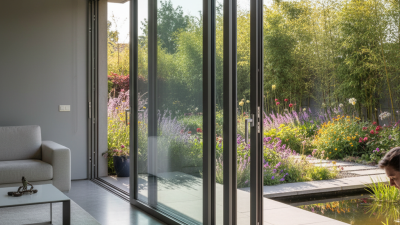
Glass panels are another factor. They provide natural light but can raise privacy concerns. Frosted or tinted glass can blend aesthetics with functionality. Reflect on energy efficiency too. Good insulation minimizes heating costs. Lastly, consider safety features for peace of mind. Overall, weighing these elements carefully will help you make an informed decision.
Materials and Durability: Choosing the Right Sliding Door
Choosing the right sliding door for your home is crucial. The material you select will greatly impact durability and aesthetics. Common options include wood, vinyl, and aluminum. Each material has its pros and cons. For instance, wood offers classic beauty but requires regular maintenance. On the other hand, vinyl is low-maintenance and resistant to rotting. Yet, it may lack the elegance of wood.
Aluminum is strong and lightweight, perfect for modern designs. However, it can be less energy-efficient without proper insulation. Consider climate and location when deciding. For coastal areas, you might need corrosion-resistant materials. Rain and humidity can lead to issues over time. You might find sliding doors that are durable but do not suit your style. It’s essential to balance functionality and design. Take time to weigh your options. A well-chosen door can enhance your home’s value, but a poor choice could lead to regrets. Test samples whenever possible. Touch, feel, and visualize them in your space. Your choice of a sliding door should reflect not just beauty, but also practicality.
Design and Aesthetic: Matching Sliding Doors to Your Home's Style
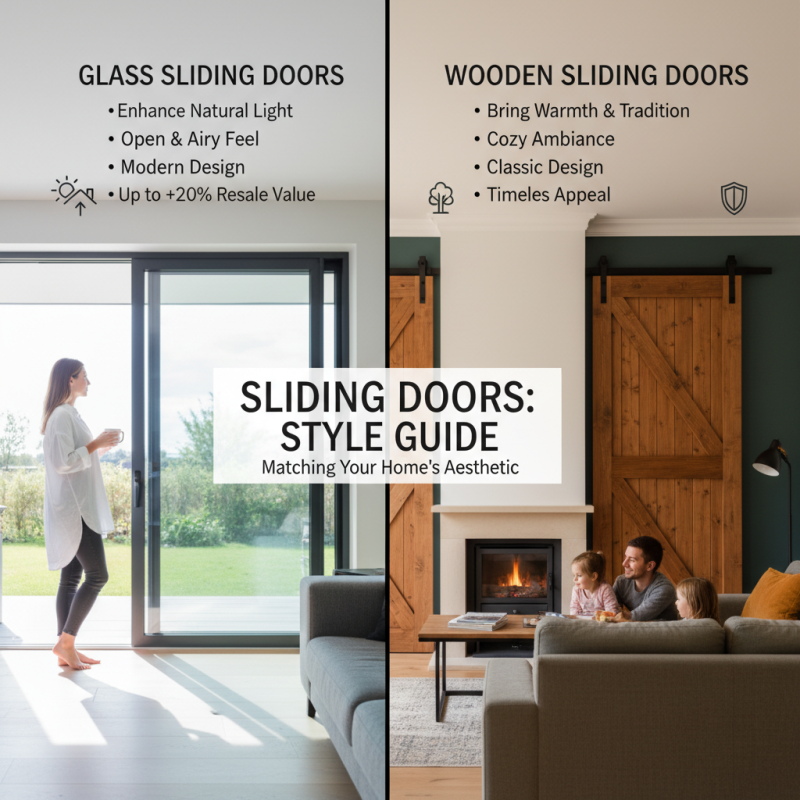
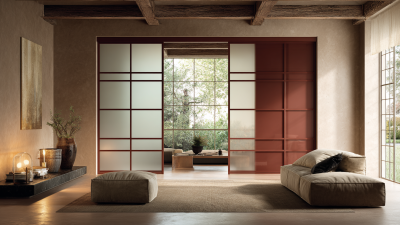
When selecting sliding doors that complement your home’s aesthetic, consider the materials and styles that resonate with your overall design. For example, glass sliding doors can enhance natural light, creating an open and airy feel. Reports indicate that homes with ample natural light can increase resale value by up to 20%. On the other hand, wooden sliding doors bring warmth and traditional vibes, catering to more classic designs.
Tips: Assess your existing decor. Choose sliding doors that either match or create a deliberate contrast. If your home has modern furnishings, sleek metal frames might be ideal. For rustic interiors, consider doors with distressed wood finishes.
Reflect on how the sliding door's design interacts with the space. An oversized door can make a small space feel cramped. Conversely, a thoughtfully chosen door can serve as a striking focal point. Industry experts suggest experimenting with different styles and colors to determine what balances best with your home’s unique character.
Remember, sliding doors are not just functional. They are an integral part of your home’s visual appeal. Ensure the style you choose contributes positively to your overall aesthetic. Select wisely.
Installation and Maintenance Tips for Sliding Doors
When it comes to sliding doors, proper installation is key for functionality and longevity. Start by ensuring that the tracks are level. An uneven installation can lead to doors that stick or even derail. Utilize a spirit level to check the tracks. If you experience issues during installation, it may be necessary to re-adjust the placement. Additionally, secure the door frame well to avoid drafts and maintain energy efficiency.
Maintenance is equally important. Regularly clean the tracks to prevent dirt buildup. A soft brush can work wonders. Lubricating the track with a silicone spray ensures smooth operation. Consider checking the rollers for wear and tear every few months. They can wear out quickly, especially in high-traffic areas. Inspecting the seals for damage provides another layer of support. Without proper sealing, you might face water leaks or increased energy costs.
Sliding Doors Popularity by Material in 2023