Why Choosing the Right Interior Doors Can Transform Your Home Design
When it comes to home design, every detail counts, especially the choices we make regarding interior doors. The right interior doors can serve as a statement piece, enhancing the overall aesthetic while providing functionality and privacy. According to renowned interior designer Sarah Goldstein, “Interior doors are the unsung heroes of a home; they guide the flow and set the tone of each space.”
Interior doors can define architectural styles, influence lighting, and even impact room acoustics. Selecting doors that complement your décor and cater to your lifestyle can dramatically transform a space. Whether you prefer classic wooden doors, sleek glass options, or modern folding designs, the available choices are abundant, allowing for personalized customization.
Moreover, the way interior doors are incorporated into a home's design can enhance not only its visual appeal but also its real estate value. With an expert understanding of spatial dynamics, choosing the right interior doors can create seamless transitions between rooms, resulting in a harmonious and inviting atmosphere that reflects your unique taste and identity as a homeowner.
Understanding the Role of Interior Doors in Home Design
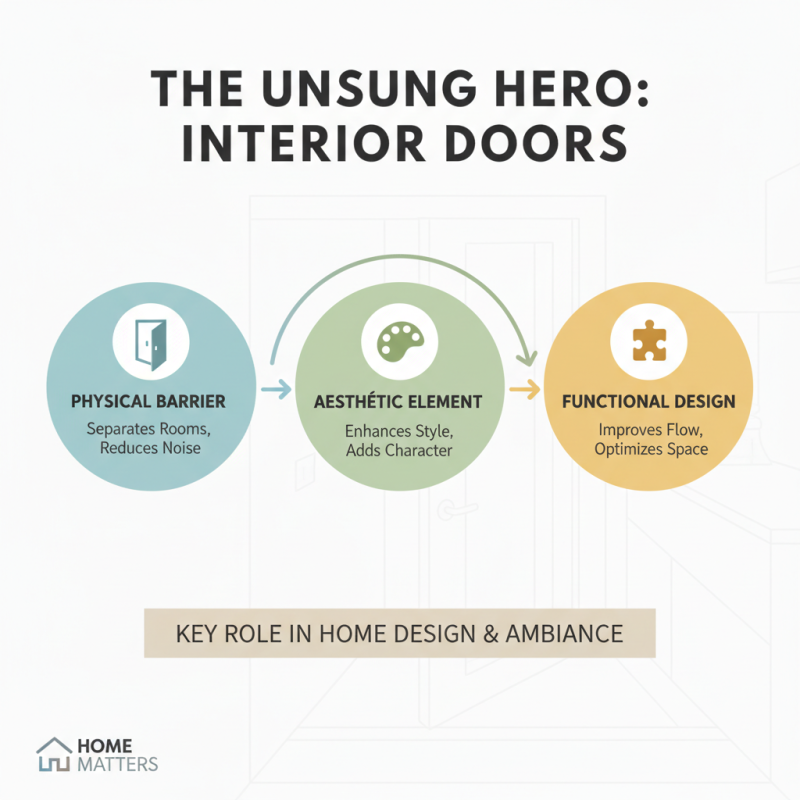
Interior doors play a crucial yet often overlooked role in the overall design and functionality of a home. They serve not only as physical barriers that separate rooms but also as aesthetic elements that contribute to the overall atmosphere of a space. The right interior doors can enhance the visual appeal of a home, complementing its architectural style and color palette. For example, choosing a door with intricate paneling or an interesting texture can add character and depth to a room, making it feel more inviting and cohesive.
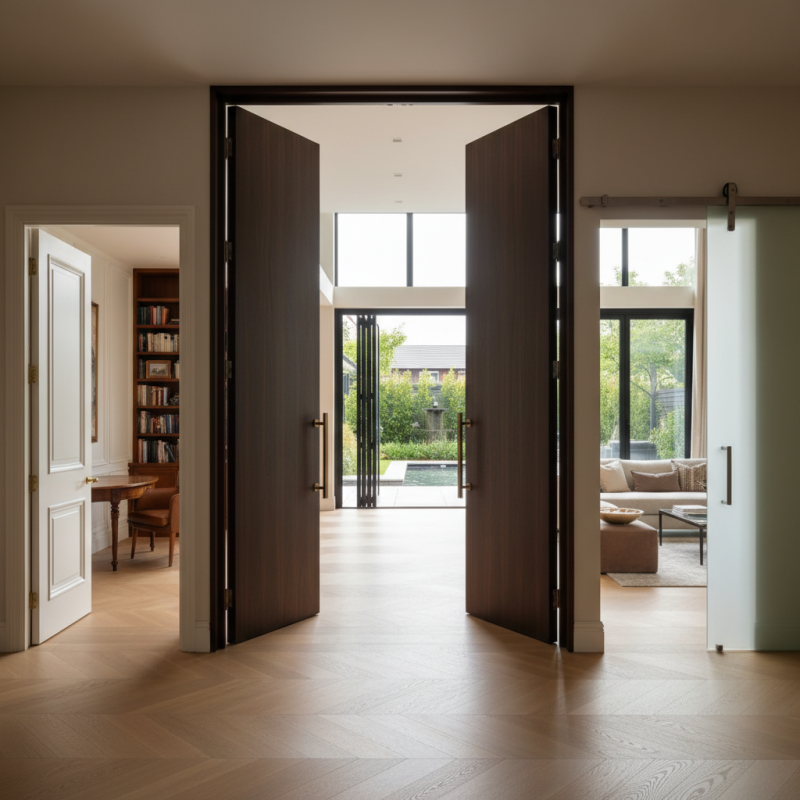
Moreover, interior doors can significantly influence the flow and usability of a home. They can create distinct zones, allowing for privacy in bedrooms or quiet areas for work, while also facilitating openness in communal spaces. Different styles of doors, such as sliding, bi-fold, or traditional hinged doors, can enhance functionality based on the layout and traffic patterns of the home. By selecting doors that both match the design aesthetic and accommodate the practical needs of the household, homeowners can create a harmonious environment that balances style with everyday living.
Exploring Different Styles of Interior Doors and Their Aesthetic Impact
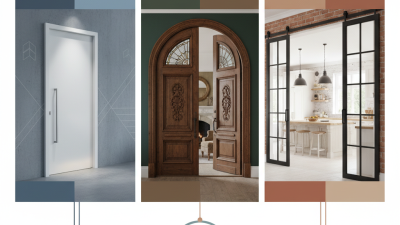
Interior doors play a crucial role in the overall aesthetics of a home, serving not only as functional barriers but also as design statements. Different styles of interior doors can dramatically influence the ambiance of a space. For instance, traditional paneled doors evoke a sense of timeless elegance, making them ideal for classic home designs. On the other hand, sleek, minimalist designs or sliding barn doors cater to contemporary tastes, providing a more open and airy feel. Each style communicates a unique character, allowing homeowners to express their personal style while enhancing the visual appeal of their interiors.
The material and finish of interior doors further contribute to their aesthetic impact. Wooden doors can add warmth and texture, while glass doors can create a sense of lightness and connection between spaces. For instance, frosted glass doors can maintain privacy while allowing natural light to flow through, bridging the divide between rooms. Selecting the right color and finish also plays a critical role; bold colors can become a focal point, whereas neutral tones can seamlessly blend into the background, providing a cohesive look throughout the home. Ultimately, choosing the right interior doors can significantly elevate the style and functionality of a home, making them an essential consideration in interior design.
Materials Matter: Choosing the Right Door Materials for Your Space
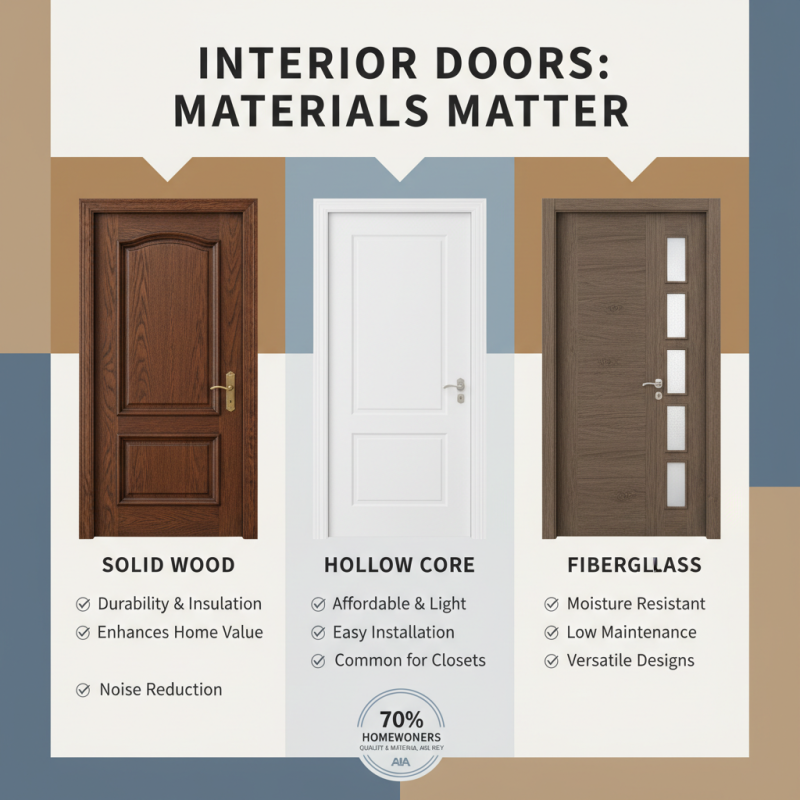
When transforming your home design, choosing the right interior doors is vital, and the materials utilized can significantly influence both aesthetics and functionality. According to the American Institute of Architects, approximately 70% of homeowners consider the quality and material of interior doors as an essential factor in their renovation projects. Popular materials such as solid wood, hollow core, and fiberglass each offer unique advantages that align with different design goals and functional needs. Solid wood doors, for instance, not only provide excellent insulation and durability but also enhance the home’s value, making them a preferred choice for many.
Additionally, the structural and environmental benefits of these materials should not be overlooked. A report from the U.S. Department of Energy highlights that solid doors can reduce energy costs by up to 20% due to their insulating properties, while the versatility of fiberglass doors allows for various styles without sacrificing durability. As more homeowners prioritize sustainability, opting for eco-friendly materials like reclaimed wood or sustainably sourced products can elevate home design while contributing positively to the environment. Understanding the implications of material selection is crucial for anyone looking to achieve a harmonious balance between beauty and practicality in their interior spaces.
Functionality and Space Optimization: How Interior Doors Influence Layout
When considering home design, the importance of interior doors often goes unnoticed. However, they play a critical role in functionality and space optimization, shaping the way we experience our living environments. According to the American Institute of Architects, strategic door placement can enhance natural light flow and improve the overall functionality of a space by creating visual separation without compromising openness. This is especially relevant in contemporary layouts that lean towards open floor plans, where carefully chosen interior doors can delineate spaces for privacy while still maintaining an airy feel.
Additionally, recent reports from the National Association of Home Builders suggest that the right choice of interior doors can significantly impact storage and layout efficiency. For instance, pocket doors, which slide into the wall, can free up valuable floor space in smaller rooms, making them a popular choice in urban apartments. Furthermore, bi-fold doors are an increasingly favored solution for closets, allowing homeowners to maximize the available space without the obstruction that traditional swinging doors create. These design considerations not only enhance usability but also add aesthetic value, ultimately transforming a home’s design and livability.
Impact of Interior Door Choices on Home Functionality and Space Optimization
Enhancing Your Home's Value: The Long-Term Benefits of Quality Doors
When considering home renovations, the selection of interior doors often goes overlooked, yet it plays a pivotal role in enhancing a home's overall value. According to the National Association of Realtors, upgrading interior doors can yield up to a 75% return on investment, showcasing the significant impact of quality fixtures on property value. Well-chosen doors can not only improve aesthetic appeal but also contribute to better insulation and soundproofing, which are attractive features for potential buyers.
Moreover, the durability and design of doors greatly influence the longevity of the investment. High-quality materials and craftsmanship have been shown to increase the lifespan of interior doors, with reports indicating that homeowners can expect doors made from solid wood to last significantly longer than their hollow-core counterparts. This reduction in replacement frequency ultimately leads to lower long-term costs and a more satisfying home environment.
Tips: When selecting interior doors, consider the architectural style of your home to ensure a cohesive look. Opt for energy-efficient doors that provide better insulation, helping to lower energy bills over time. Lastly, don’t underestimate the power of color and finish; a well-chosen door can act as a stunning focal point while harmonizing with your home's existing decor.