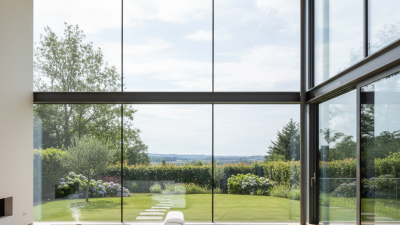
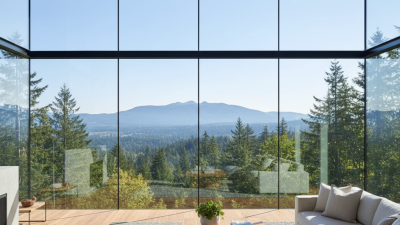
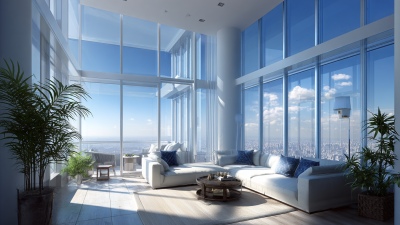
What is the Importance of Big Windows in Modern Architecture?
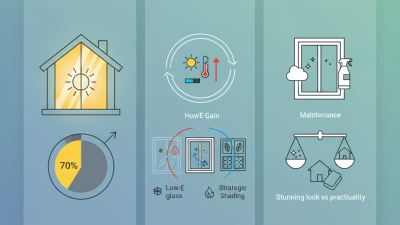
In modern architecture, big windows have become more than just a design choice; they symbolize a shift towards openness and connectivity. Industry experts emphasize their critical role in improving natural light and enhancing the overall aesthetic of spaces. According to a 2022 report by the Architecture Institute, over 70% of new builds prioritize large window designs. This trend has shown to reduce energy costs by up to 30%, providing both environmental and economic benefits.
Architect Sarah Thompson, a leading authority in sustainable design, states, “Big windows not only connect us with nature but also transform how we experience our environments.” This balance of functionality and design makes big windows essential in contemporary settings. Yet, while they offer many advantages, they bring challenges too, such as increased heat loss and privacy concerns. Reflecting on these complexities is vital for architects and homeowners alike.
As our understanding of architecture evolves, big windows stand at the forefront. They redefine our living experiences but also necessitate thoughtful integration into building designs. The dialogue on their use is ongoing, requiring continuous reflection and innovation to leverage their full potential.
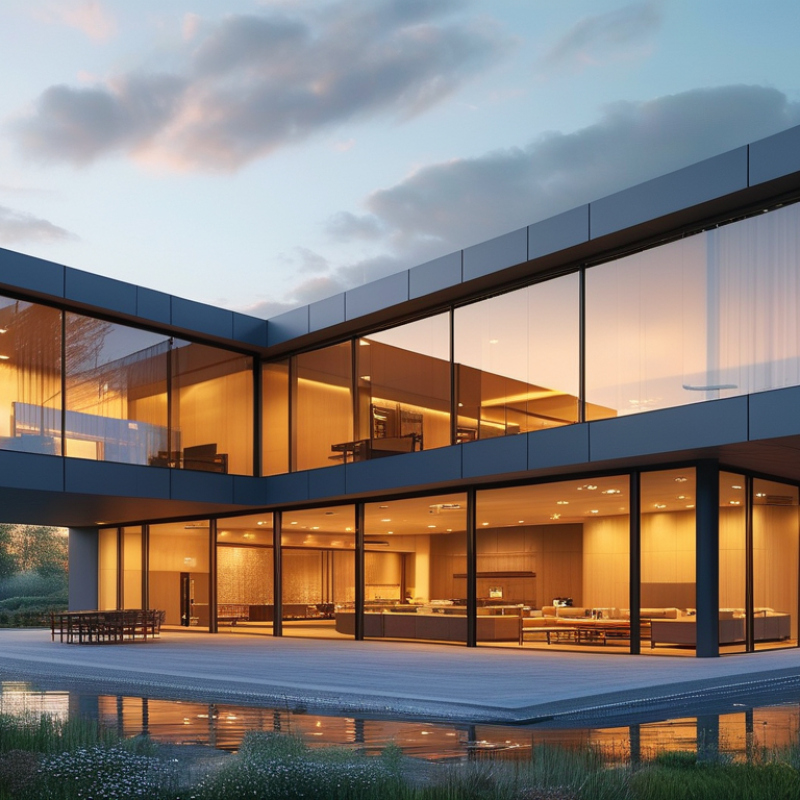
The Historical Evolution of Window Design in Architecture
The evolution of window design reveals much about architectural trends. In ancient times, windows were small openings. They provided minimal light, mainly for practicality. Over time, larger openings began appearing. This shift reflected both a change in building materials and a new philosophy towards light and space.
During the Gothic period, stained glass windows became popular. These intricate designs served both aesthetic and spiritual purposes. They transformed light into color, creating a mystical atmosphere inside cathedrals. As architectural technologies advanced, especially during the Renaissance, windows grew larger and more prominent. The grand palaces of the time celebrated the beauty of natural light.
In the modern era, big windows define contemporary architecture. They blur the lines between indoor and outdoor spaces. However, the reliance on large windows poses challenges. Climate control can become an issue, and privacy may be compromised. Reflecting on these elements sheds light on the dynamic relationship between aesthetics and functionality in architecture. Designers must balance visual appeal and practical needs seamlessly.
The Role of Natural Light in Enhancing Modern Living Spaces
Big windows in modern architecture serve a crucial role in harnessing natural light. Research indicates that spaces filled with natural light can enhance mood and productivity. A study by the World Green Building Council found that natural light in workplaces can increase productivity by up to 15%. This is significant for designing residential and commercial spaces.
Moreover, sunlight impacts our health. Vitamin D from sunlight is essential for bone health and boosts the immune system. Living spaces designed with large windows can lead to better well-being. However, excessive sunlight can cause glare and overheating. It's essential to balance light with adequate shading options.
Architects face a challenge in optimizing window sizes for both aesthetics and functionality. While big windows create stunning visuals, they must also consider energy efficiency. Homes with large windows can lead to higher heating and cooling costs. Choosing the right materials for window frames and glazing can mitigate these issues. Designing for natural light requires thoughtful planning and expert knowledge in building science.
Big Windows and Energy Efficiency: Balancing Aesthetics and Functionality
Big windows have become a hallmark of modern architecture, merging aesthetics with functionality. One of the primary advantages is their role in energy efficiency.
Large windows allow natural light to flood interior spaces. This illumination reduces the need for artificial lighting during the day, leading to lower energy bills. In colder climates, well-placed windows can harness solar gain, helping to warm spaces without excessive heating costs.
However, not all big windows are created equal. The type of glass used is crucial. High-performance glazing can significantly improve insulation, preventing heat loss in winter and keeping interiors cool in summer. But many overlooked details can impact effectiveness. Poorly sealed windows may let drafts in. The design must also consider shading elements. Without control over direct sunlight, excessive heat and glare could make indoor environments uncomfortable.
Finding the right balance between beauty and practicality requires thoughtful planning. Designers need to assess the building's orientation and the surrounding landscape. Sometimes, oversized windows might not meet energy regulations. Clients often need to reflect on their priorities—visual appeal vs. sustainability.
In the end, big windows can enhance a building's character while also fulfilling energy efficiency goals, but careful consideration is essential.
Impact of Big Windows on Interior Design and Spatial Perception
Large windows have become a hallmark of modern architecture. They significantly shape interior design and influence spatial perception. According to a report from the American Institute of Architects, incorporating large windows can increase natural light by up to 40%. This abundance of daylight enhances mood and productivity, fostering a more vibrant living environment. However, the challenge lies in balancing energy efficiency with the desired aesthetic.
The spatial perception of a room can change dramatically with expansive window installations. Studies indicate that spaces with larger windows create an illusion of openness, making smaller areas feel expansive. This effect is crucial in urban environments where space is at a premium. However, one must consider potential downsides, such as heat loss in winter months or excessive glare during sunny days.
Incorporating large windows requires careful planning. It’s important to analyze sun exposure and local climate. Use shades or films to mitigate glare but retain natural light. Consider the placement of furniture to take advantage of the views outside while maintaining privacy. Embracing big windows can transform interior spaces, but thoughtful execution is vital for balance and comfort.
What is the Importance of Big Windows in Modern Architecture? - Impact of Big Windows on Interior Design and Spatial Perception
| Aspect |
Description |
Impact |
| Natural Light |
Big windows allow ample natural light to enter the space. |
Enhances mood and reduces energy consumption. |
| Spatial Perception |
Creates a sense of openness and connectedness with the outdoors. |
Makes small spaces feel larger. |
| Aesthetic Appeal |
Adds beauty and uniqueness to building design. |
Increases property value and attractiveness. |
| Ventilation |
Allows for better airflow and temperature regulation. |
Improves indoor air quality. |
| Connection to Nature |
Provides views of the surrounding environment. |
Enhances well-being and reduces stress. |
Sustainability Considerations in the Use of Large Windows in Buildings
Large windows are a hallmark of modern architecture. They create an inviting atmosphere and connect indoor spaces with the outdoors. In the context of sustainability, the choice of large windows holds high significance. They allow natural light to flood interiors, reducing reliance on artificial lighting. This leads to lower energy consumption and enhances the overall energy efficiency of buildings.
However, the benefits of big windows are not without challenges. Excessive sunlight can lead to overheating in warmer months. This could increase the need for air conditioning. Architects must consider proper shading solutions to mitigate this issue. Furthermore, the materials used for large windows play a crucial role. High-performance glass can contribute to better insulation, preventing heat loss during colder months.
Balancing aesthetic appeal with functional sustainability is essential. Feedback from occupants is vital in understanding how these windows perform over time. It is also important to assess the long-term impacts on energy use. Large windows can enhance beauty and comfort, but careful planning and execution are necessary for true sustainability.
Importance of Big Windows in Modern Architecture
The presence of large windows in modern architecture plays a crucial role in various aspects such as enhancing natural light, improving energy efficiency, providing aesthetic appeal, connecting occupants with nature, and allowing for better ventilation. This chart illustrates the importance level assigned to these factors by architects and designers.