What is the Most Efficient Windows for Global Buyers?
When considering energy efficiency, choosing the right windows is crucial. Efficient windows can significantly reduce energy bills, enhance comfort, and boost property value. For global buyers, understanding what constitutes an efficient window is vital.
Many factors contribute to window efficiency. These include the materials used, frame design, and glazing options. Some windows excel in specific climates. However, efficiency does not always equate to the highest price. Buyers often face conflicting information about which products deliver true value.
As the demand for sustainable construction rises, more options are available. It can be overwhelming to navigate through them. Additionally, some manufacturers may overstate the efficiency of their products. Therefore, research and verification are essential. Select brands with certifications and proven performance records. This can ensure that your investment in efficient windows pays off in the long run.

Understanding the Importance of Energy Efficiency in Windows
As the world becomes increasingly aware of climate change, energy efficiency in windows is an essential consideration for global buyers. Studies show that energy-efficient windows can reduce heating and cooling costs by up to 30%. This significant reduction in energy use not only saves homeowners money but also contributes to a lower carbon footprint. The choice of window materials and technologies can greatly influence these outcomes.
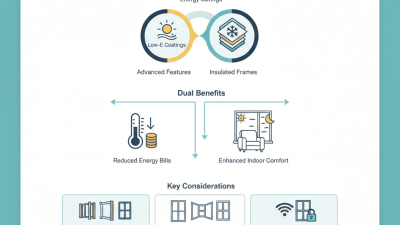
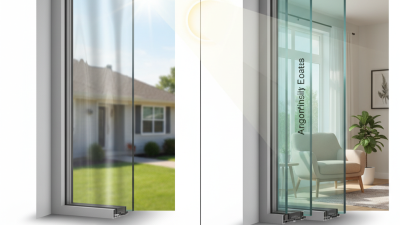
One key factor to consider is the type of glazing. Double or triple-pane glass with low-emissivity coatings can improve insulation. According to the Department of Energy, these windows can decrease energy loss by 25% to 50%. Understanding the U-factor and Solar Heat Gain Coefficient (SHGC) ratings is crucial. These metrics provide insights into the window's thermal performance and its ability to manage solar heat.
Pay attention to frame materials as well. Vinyl, wood, and fiberglass offer varying benefits in terms of insulation and maintenance. Consider the local climate when selecting windows; what works in a cooler area might not be efficient in a warmer one.
For buyers, it's important to examine installation quality too. Poorly installed windows can lead to drafts and reduced efficiency, negating energy-saving benefits. Investing in proper installation pays off in the long run.
Key Features to Consider for Global Window Buyers
Choosing windows for global buyers involves careful consideration of several key features. Energy efficiency is paramount. Look for windows with high insulation ratings. This can lead to lower energy bills and a smaller carbon footprint.
Durability is another critical factor. Examine materials and construction techniques. Windows must withstand various environmental conditions. Corrosion resistance and weatherproof seals are essential. They ensure longevity, especially in harsh climates.
Aesthetic appeal is also significant. Different regions have unique architectural styles. Windows should complement the design. Buyers might also consider customization options. This enhances both function and beauty, yet it can lead to higher costs. Balancing aesthetics and practicality can be challenging. Finally, ease of installation should not be overlooked. Complicated setups may lead to delays and increased expenses. Each feature plays a role in making the right choice.
What is the Most Efficient Windows for Global Buyers? - Key Features to Consider for Global Window Buyers
| Dimension |
Value |
Importance |
| Energy Efficiency Rating |
A++ to A- |
High |
| Material Type |
Vinyl, Aluminum, Wood |
Medium |
| Climate Suitability |
All Climates |
High |
| Noise Reduction |
Up to 40 dB |
Medium |
| Warranty Period |
10 to 20 Years |
High |
| Installation Complexity |
Easy to Moderate |
Medium |
| Cost Range |
$300 - $800 per window |
High |
| Customization Options |
Various Sizes & Styles |
Medium |
Comparative Analysis of Window Materials for Global Markets
When selecting windows for global markets, understanding material efficiency is crucial. Different materials offer varying benefits. For instance, vinyl windows are known for affordability and low maintenance. Wood, however, exudes warmth and can provide better insulation. Each material has its pros and cons that buyers should weigh carefully.
Consider the climate in your region. For colder areas, insulated glass in metal frames can be advantageous. In contrast, hotter climates may benefit from reflective coatings on glass. It’s essential to choose windows that not only match your aesthetic preferences but also offer functional benefits tailored to your environment.
Evaluate lifecycle costs when choosing windows. Installation and maintenance play significant roles in long-term value. While some materials may have a lower upfront cost, they can lead to higher energy bills or frequent replacements. Assess your choices thoughtfully. Always research local regulations and energy standards before making a decision.
What is the Most Efficient Windows for Global Buyers?
Evaluating Cost vs. Long-term Savings in Window Investment
Investing in windows requires careful analysis of both cost and long-term benefits. Many buyers often opt for the cheapest options available, only to face higher energy bills later. When selecting windows, consider energy efficiency ratings and materials that can offer better insulation. These choices might be pricier upfront but can lead to substantial savings over time.
Long-term benefits can include reduced energy consumption and enhanced comfort. High-quality windows can decrease heating and cooling costs significantly. Unfortunately, not all buyers prioritize this perspective. Some may prioritize aesthetic appeal or initial affordability. This mindset can lead to regrets when faced with unexpected repair costs or increased energy usage.
It’s crucial to weigh immediate savings against future expenses. Each homeowner’s situation varies, so personalized assessments are necessary. Engaging with knowledgeable professionals can provide insights tailored to specific needs. Reflecting on these factors ensures a more informed decision, fostering worthwhile investments that endure through the years.
Best Practices for Selecting Energy-Efficient Windows Globally
Selecting energy-efficient windows is essential for global buyers. It involves considering several factors such as climate, energy ratings, and materials. Many people overlook how local weather plays a role in window performance. For example, regions with high heat may require different solutions than those in colder climates. Every choice can impact energy consumption and comfort.
It’s wise to prioritize certifications when assessing window efficiency. Look for windows with high thermal performance ratings. Research local regulations as they often outline energy standards. Sometimes, these regulations differ significantly across regions. Buyers should assess the lifetime costs versus initial investments. Cheaper options may lead to higher energy bills later.
Many buyers focus solely on aesthetics, neglecting energy efficiency. Beautiful windows are appealing, but they must also insulate well. Engaging with local experts can lead to better-informed decisions. They possess insights about the best materials and techniques for specific environments. Ignoring this can lead to regrets. Prioritizing performance over looks may seem tough, but it ultimately ensures satisfaction.