Why Are Sliding Doors So Popular in Modern Homes?
In the realm of modern architecture, sliding doors have gained unmatched popularity. Renowned industry expert, Michael Thompson, states, “Sliding doors not only enhance aesthetics but also promote a seamless flow between indoors and outdoors.” This highlights their multifunctional role in contemporary homes.
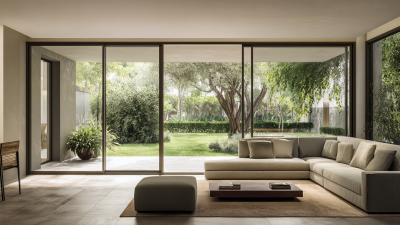
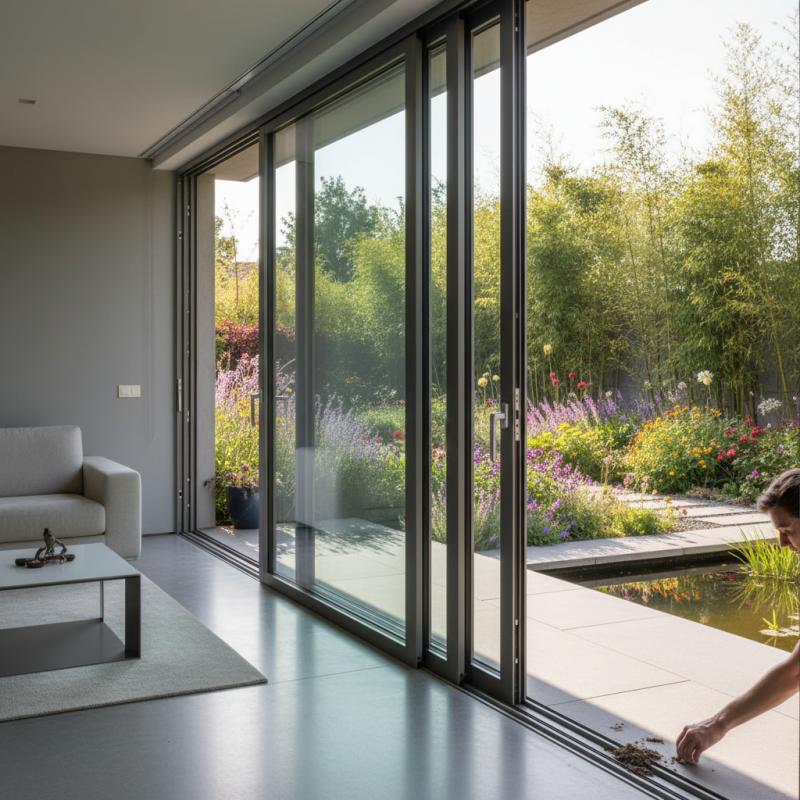
Sliding doors bring versatility to spaces. They save room compared to traditional doors, making small areas look larger. Imagine a sunny morning, sunlight pouring through a wide sliding door that opens to a vibrant garden. Such moments reflect the harmony these doors create between nature and living spaces.
However, the appeal of sliding doors isn't without reflection. While they provide openness, maintenance can be an issue. Dirt can accumulate in tracks, making them stick or jam. Moreover, homeowners may sometimes overlook the balance between design and functionality. Recognizing both the beauty and the drawbacks allows for more informed choices in modern living.
The Aesthetic Appeal of Sliding Doors in Contemporary Design
Sliding doors have increasingly become a staple in modern homes due to their aesthetic appeal. These doors provide seamless transitions between indoor and outdoor spaces. According to a recent design report, 70% of homeowners favor open-concept layouts. Sliding doors complement this trend by enhancing natural light. They can stretch across wide openings, offering expansive views. This design choice can make a room feel more spacious and inviting.
The sleek lines of sliding doors add a contemporary touch to any design. Their minimal hardware and frame create a clean look. Many builders report that sliding doors are preferred in new constructions, with nearly 60% recommending them over traditional options. The blend of functionality and style fulfills both the practical needs and the visual desires of homeowners. However, the maintenance can be tricky. Dust accumulation along the track can hinder movement. Homeowners must commit to regular cleaning to avoid frustration.
Incorporating sliding doors can also result in design dilemmas. Balancing privacy and openness may be challenging. Some homeowners might feel exposed when using them. This requires careful consideration of placement and surrounding decor. Despite these concerns, the aesthetic benefits often outweigh the drawbacks. Overall, sliding doors offer a chance to embrace modern design while addressing practical needs.
Enhancing Space: How Sliding Doors Maximize Home Efficiency
Sliding doors are increasingly favored in modern homes due to their ability to enhance space. According to a report by the National Association of Home Builders, homes with sliding doors appear 20% larger. This visual openness creates a more inviting ambiance. Homeowners often desire seamless transitions between indoor and outdoor spaces. Sliding doors fulfill this need by providing unobstructed views.
Space efficiency is another significant advantage. Sliding doors don't require swing space, making them ideal for compact areas. A 2022 study indicated that homes with sliding doors reported a 15% increase in usable floor space. This allows homeowners to maximize their living rooms or dining areas effectively. However, one must consider the installation. Poorly placed sliding doors can disrupt traffic flow and usability.
The aesthetics of sliding doors should not be overlooked. They come in various styles, colors, and materials. This versatility can enhance a home's overall design. However, maintenance is crucial. Dirt and grime can accumulate in the tracks, leading to operational issues. Regular upkeep is necessary to keep them functional and appealing.
Natural Light and Ventilation Benefits of Sliding Doors
Sliding doors have become a staple in contemporary home design. They offer significant benefits, particularly in natural light and ventilation. A report by the American Society of Interior Designers indicates that homes with ample natural light can enhance mood and productivity by 15%. This is crucial for creating inviting spaces.
Natural light can transform a room. By using sliding doors, homeowners invite outdoor light indoors. This creates an open feel, making spaces seem larger and more airy. Good ventilation is another advantage. Sliding doors facilitate airflow, reducing the need for artificial cooling. A study published in the Journal of Sustainable Architecture found that homes with good ventilation can lower air conditioning reliance by up to 30%.
Here are some tips to maximize the benefits of sliding doors. Choose doors with low-emissivity (Low-E) glass to increase energy efficiency. This glass minimizes heat loss while maximizing light intake. Also, consider the direction your sliding doors face. East or west-facing openings can capture morning or evening sun, enhancing warmth and brightness. Reflect on your placement for better comfort.
Versatility and Functionality: Sliding Doors in Various Settings
Sliding doors bring a unique blend of versatility and functionality to modern homes. In a living room setting, they can seamlessly connect indoor and outdoor spaces. Imagine sipping coffee while sunlight pours in through large glass panels. The ability to open up entire walls to fresh air enhances the atmosphere. Still, it's important to consider privacy and security. A perfect balance is essential.
In bedrooms, sliding doors serve a different purpose. They often substitute traditional closets, saving floor space. With the right design, they can become a stylish focal point. However, those sliding doors can sometimes be tricky to operate. Tracks may collect dust, and the sliding mechanism can wear out. Regular maintenance is necessary to avoid frustration.
Outside, sliding doors provide easy access to patios and gardens. They encourage outdoor living, perfect for gatherings. Open doors can blur the lines between indoors and outdoors. However, weather conditions can pose challenges. Strong winds or rain can make it difficult to enjoy those spaces fully. It's vital to choose the right materials to withstand the elements.
Why Are Sliding Doors So Popular in Modern Homes? - Versatility and Functionality: Sliding Doors in Various Settings
| Dimension |
Description |
Benefits |
Common Materials |
| Space Efficiency |
Sliding doors require less space to operate compared to traditional swinging doors. |
Maximizes usable floor space, ideal for smaller homes. |
Aluminum, Wood, uPVC |
| Natural Light |
These doors can be made with large glass panels, allowing abundant natural light into the home space. |
Reduces the need for artificial lighting throughout the day. |
Tempered Glass, Frosted Glass |
| Aesthetic Appeal |
Sliding doors offer a sleek, modern look that enhances the design of the home. |
Improves overall interior and exterior aesthetics. |
Wood Finishes, Mirrored Glass |
| Accessibility |
These doors can easily be operated with minimal effort, making them accessible. |
Ideal for elderly individuals or those with mobility challenges. |
Aluminum, Wood |
| Energy Efficiency |
Modern sliding doors often feature energy-efficient glass that helps to maintain indoor temperatures. |
Can help lower heating and cooling costs. |
Low-E Glass, Triple Pane Glass |
Environmental Considerations: Energy Efficiency of Sliding Doors
Sliding doors are increasingly favored in modern homes for their aesthetic appeal and practical benefits. One of the primary advantages lies in energy efficiency. According to the U.S. Department of Energy, well-designed sliding doors can reduce heating and cooling costs by up to 20%. This is significant, especially in regions with extreme weather conditions. The right sliding door can provide insulation that minimizes energy loss.
The materials used in sliding doors play a crucial role in their efficiency. For instance, double-glazed glass is often more effective than single-pane alternatives. Many homeowners overlook the importance of this aspect. A poor choice can lead to drafts and unwanted heat transfer. Choosing energy-efficient frames and glazing options is essential for optimal performance. Yet, many people still choose based on aesthetics alone. Sometimes, the beauty of a sliding door distracts from its potential flaws.
Moreover, the environmental impact of sliding doors is substantial. They contribute to reducing the carbon footprint of homes. The Energy Star program reports that switching to energy-efficient models can result in a decrease in greenhouse gas emissions. But consumers should remain aware of the whole lifecycle of these products. Importantly, not all sliding doors meet energy standards. This means thorough research is necessary to ensure accountability.