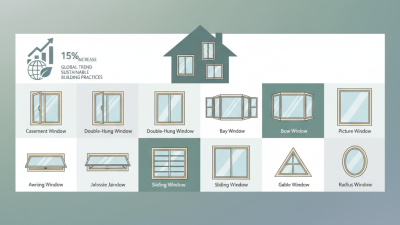
China Top 10 Doors and Windows Manufacturers? This question deserves more than a popularity list. China’s doors windows industry now serves residential towers, hospitals, hotels, factories, and low-energy homes. Product quality can vary sharply between two factories with similar catalogs. That difference often appears in the details: thermal-break depth, insulated-glass-unit spacing, gasket compression, hardware testing, and installation guidance.
The International Energy Agency reported that buildings consumed about 30% of global final energy in 2022. It also linked buildings to approximately 26% of energy-related emissions. These figures explain why window insulation, air leakage, solar control, and durable door systems matter. The United Nations Environment Programme has also identified building efficiency as a major path toward lower emissions. However, no single report proves that one manufacturer is best. Market rankings can change with export records, certification, project experience, and after-sales performance.
Building-science expert John Straube often explains the basic challenge clearly: “A window is a hole in the wall.” That simple sentence remains useful. It reminds buyers that beautiful frames cannot compensate for poor glass selection or careless installation. Our review compares ten leading Chinese manufacturers through practical criteria. These include engineering capacity, factory quality control, product testing, customization, international certifications, delivery reliability, and documented project experience. Some conclusions may remain debatable. That is intentional. A suitable supplier for a coastal hotel may fail a budget housing project. Readers should verify test reports, sample corners, warranties, and installation methods before signing a contract.
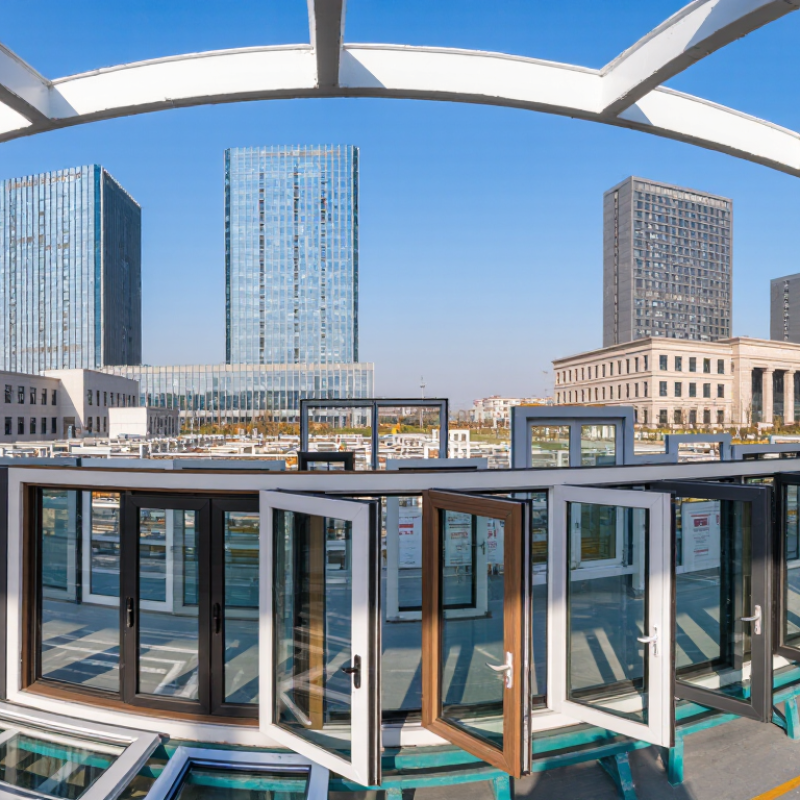
China’s doors and windows manufacturing industry serves residential, commercial, and renovation markets worldwide. Production is concentrated in Guangdong, Zhejiang, Jiangsu, and Shandong. These regions offer strong supply chains for aluminum profiles, glass, hardware, seals, and surface coatings. The market is broad.
Manufacturers commonly produce aluminum alloy, uPVC, steel, and timber systems. Energy efficiency now influences many product decisions. Thermal breaks, double glazing, laminated glass, and improved weather seals are widely requested.
Factory capability matters as much as product appearance. A reliable supplier should show testing records, production controls, installation guidance, and export experience. Key checks include air leakage, water resistance, wind pressure, sound insulation, and hardware durability.
A useful China top 10 list should not depend only on factory size or online visibility. It should compare engineering depth, customization ability, quality consistency, delivery control, and after-sales support.
Some large factories perform well on volume but respond slowly to unusual project details. Smaller facilities may offer closer technical communication, yet their inspection systems can be less mature. No ranking is perfect.
I would request verified samples, section drawings, test reports, and references from comparable projects before choosing. Visit the production line when possible. Look closely at corner joints, drainage paths, gasket fitting, and protective packaging.
These small details often reveal more than polished catalog images. Door and window performance depends on design, fabrication, transport, and installation together. A strong manufacturer understands this chain and documents each stage clearly.
Choosing among China’s top ten doors and windows manufacturers requires more than comparing catalog photos or export volume. UNEP’s 2024 Global Status Report states that buildings and construction consume 32% of global energy and produce 34% of global carbon dioxide emissions. Thermal performance therefore deserves priority. Request verified U-values, solar heat-gain data, air-leakage results, and water-tightness test records. These figures should match the proposed glass, frame, seals, and hardware. A generic certificate is not enough. Ask for reports linked to the actual production model.
Factory capability matters equally. Check whether the manufacturer follows GB/T 8478 and GB/T 7106 requirements, or the relevant standards in your target market. An independent laboratory report is stronger than an internal spreadsheet. Review aluminum alloy grades, coating thickness, corner joints, drainage paths, and hardware load ratings. I would also audit batch traceability. Can the factory identify the operator, material lot, and inspection date for one finished window? Small details reveal discipline.
Look beyond the showroom. IEA’s The Future of Cooling report warns that cooling electricity demand could more than triple by 2050 without efficiency improvements. Manufacturers should explain glazing options, shading, ventilation, and installation tolerances. Ask for references from similar climates, not only impressive projects. Service response times, replacement-part availability, packaging tests, and written warranty limits deserve equal attention. A polished factory may still have weak after-sales control. That is an uncomfortable possibility. Price comparisons should include testing, installation guidance, maintenance, and realistic lead times, because the cheapest quotation is rarely the cheapest building solution.
A practical 100-point screening model for comparing manufacturers without relying on brand names.
Product performance and compliance should receive the highest priority because thermal insulation, air and water tightness, structural safety, and verified testing directly affect long-term building performance. Quality control, customization capability, project reliability, after-sales service, and total cost help complete the evaluation.
Ten leading Chinese doors and windows manufacturers are often judged by more than production scale. Their real strength appears in testing, installation support, and consistent quality control. A credible selection should examine factory capacity, material traceability, export experience, and project references.
Many leading manufacturers produce thermal-break aluminum systems, uPVC windows, entrance doors, and large sliding units. Their factories commonly use automated cutting, corner pressing, powder coating, and insulated-glass lines. Buyers should request test data for air leakage, water resistance, wind pressure, and thermal performance. These figures reveal more than polished showroom samples. They also show whether the supplier understands different climates and building standards.
Factory experience matters. A supplier serving coastal projects should manage corrosion risks and strong wind loads. A supplier serving cold regions needs reliable seals, warm-edge glass, and accurate installation guidance. Certifications help, but they do not replace site evidence. Ask for recent project photos, inspection records, warranty terms, and spare-hardware policies. No ranking is flawless. I would avoid treating the “top ten” label as permanent, because capacity and service can change quickly. Some manufacturers offer excellent products but weaker communication after delivery. Others respond quickly yet need tighter finishing control. Checking samples under natural light can expose uneven coating, loose gaskets, or imperfect alignment. Small details matter.
| Rank | Benchmark Category | Typical Product Focus | Common Frame Material | Typical Glazing Configuration | Indicative Thermal Performance | Typical Acoustic Rating | Common Applications | Relevant Standards | Export Readiness Indicators |
|---|---|---|---|---|---|---|---|---|---|
| 01 | Premium thermal-break window systems | High-performance casement, tilt-and-turn, and lift-and-slide windows | Thermally broken aluminium | Double or triple insulating glass with low-emissivity coating | Whole-window U-value commonly about 1.0–1.8 W/m²K | Approximately 35–45 dB Rw | Luxury residences, hotels, offices, and energy-efficient buildings | GB/T 8478-2020; GB/T 8484-2020; GB/T 7106-2019 | Strong documentation and test-report capability |
| 02 | Architectural aluminium window systems | Standard casement, sliding, awning, and fixed windows | Aluminium alloy, with or without thermal break | Single, double, or laminated insulating glass | Approximately 1.8–3.5 W/m²K, depending on system design | Approximately 30–40 dB Rw | Residential towers, commercial buildings, and renovations | GB/T 8478-2020; GB/T 7106-2019 | Suitable for project-based export orders |
| 03 | uPVC window and door systems | Multi-chamber casement, tilt-and-turn, and sliding products | Unplasticized polyvinyl chloride with steel reinforcement | Double or triple insulating glass | Approximately 1.2–2.2 W/m²K | Approximately 32–42 dB Rw | Residential developments and replacement-window projects | GB/T 28886-2012; GB/T 28887-2012 | Good suitability for standardized volume production |
| 04 | Large-format sliding door systems | Lift-and-slide, slim-frame sliding, and panoramic doors | Thermally broken aluminium | Large double or triple laminated insulating glass panels | Approximately 1.4–2.6 W/m²K | Approximately 30–42 dB Rw | Villas, resorts, luxury apartments, and retail spaces | GB/T 8478-2020; GB/T 7106-2019 | Requires structural and installation coordination |
| 05 | Fire-rated doors and glazed assemblies | Steel fire doors, glazed fire doors, and rated partitions | Galvanized steel, stainless steel, or approved fire-rated framing | Fire-resistant glass or insulated fire-rated glazing | Performance is specified by fire-resistance duration rather than U-value | Project-specific; commonly tested with the complete assembly | Public buildings, hospitals, transport facilities, and industrial sites | GB 12955-2008; GB 15763.1-2009; GB 50016-2014 | Certification and traceability are essential |
| 06 | Unitized curtain wall systems | Factory-assembled glazed façade modules | Aluminium mullions, transoms, and pressure plates | Double or triple insulating glass, often with low-emissivity coating | Whole-façade U-value commonly about 1.2–2.5 W/m²K | Approximately 35–45 dB Rw, subject to joint design | High-rise offices, mixed-use towers, and large commercial projects | JGJ 102-2003; GB/T 21086-2007; GB/T 7106-2019 | Best assessed through engineering and mock-up testing |
| 07 | Commercial entrance door systems | Framed glass doors, automatic sliding doors, and heavy-duty entrances | Aluminium, stainless steel, or reinforced steel | Tempered, laminated, or insulating safety glass | Approximately 1.8–3.5 W/m²K for insulated assemblies | Approximately 28–38 dB Rw | Shopping centres, hotels, offices, airports, and public facilities | GB 15763.2-2005; GB/T 7106-2019; EN 16005 for applicable export projects | Hardware compatibility is a key evaluation point |
| 08 | Energy-efficient residential doors | Insulated entrance, patio, balcony, and service doors | Thermally broken aluminium, steel, or composite profiles | Insulated, laminated, or decorative safety glass | Approximately 1.0–2.5 W/m²K for insulated door leaves | Approximately 30–42 dB Rw | Apartment buildings, villas, and low-energy housing | GB/T 8478-2020; GB/T 7106-2019; GB 50016-2014 | Suitable for repeatable residential specifications |
| 09 | Custom architectural façade products | Special-shaped windows, curved glazing, skylights, and bespoke façades | Aluminium, steel, or hybrid engineered framing | Laminated, curved, solar-control, or insulating glass | Project-specific; commonly about 1.2–3.0 W/m²K | Project-specific, commonly 32–45 dB Rw | Landmark buildings, museums, villas, and hospitality projects | GB/T 21086-2007; GB/T 7106-2019; project-specific testing | Design engineering and prototype approval required |
| 10 | Cost-efficient standard door and window lines | Basic sliding, casement, fixed, and balcony products | Aluminium alloy or uPVC | Single or double glazing, depending on climate and budget | Approximately 2.5–5.0 W/m²K | Approximately 25–35 dB Rw | Affordable housing, light commercial buildings, and renovation work | GB/T 8478-2020; GB/T 28886-2012; GB/T 28887-2012 | Competitive for standardized high-volume orders |
China’s leading door and window manufacturers usually serve several segments, from residential projects to large commercial developments. Their product ranges may include sliding doors, casement windows, folding systems, curtain walls, skylights, and entrance doors.
Aluminum, uPVC, wood, and hybrid frames support different budgets and climates. In practical project reviews, frame depth, glass configuration, drainage design, and hardware quality often matter more than appearance.
Some factories also provide customized colors, thermal insulation, acoustic glass, and integrated screens. However, product variety can hide uneven production standards.
Technology is a major differentiator in this market. Thermal-break aluminum reduces heat transfer through the frame. Multi-point locking systems can improve security and air tightness. Automated cutting, welding, coating, and inspection equipment supports consistent output.
Digital configuration tools also reduce measurement errors during large orders. Market strength comes from export experience, flexible customization, competitive pricing, and established supply chains. Reliable manufacturers should provide test reports, installation guidance, sample approvals, and traceable quality records.
Still, performance claims need independent verification. A polished brochure is not proof.
Tips:
Request full technical drawings before ordering. Compare U-values, glass thickness, wind-load data, and warranty terms. Ask for production photos or a factory audit. Test a working sample, not only a catalog model. Small details, such as gasket compression and corner joints, often reveal workmanship. Mistakes happen, especially with unusual sizes, so confirm every measurement twice.
Selecting a suitable Chinese doors and windows manufacturer requires more than comparing catalog prices. Grand View Research valued the global doors and windows market at about USD 207.5 billion in 2023. Energy performance now matters as much as appearance.
Begin with the factory, not the sales office. Request a current business license, production address, testing records, and export references for similar climates. Check thermal transmittance, air leakage, water resistance, and wind-load results. These figures should match recognized standards and your project’s specifications.
The International Energy Agency reports that buildings consume about 30% of global final energy. Weak window performance can therefore create years of operating costs. Ask for full-size samples. Small samples often hide drainage, hardware, and sealing problems.
Audit quality control at several stages. Review incoming aluminum, glass, coatings, and hardware records. Confirm batch identification and final inspection procedures. A dependable supplier should explain tolerance limits without hesitation. Request a written schedule, packaging method, replacement policy, and payment milestones. Independent inspection before shipment is sensible. It is not excessive.
I have seen buyers focus on the lowest quotation, then discover missing screens, unclear glazing specifications, or expensive replacement freight. My own evaluation would still remain cautious: factory visits and documents reduce risk, but they cannot guarantee every shipment. Compare at least three qualified manufacturers, verify recent references, and keep every technical promise inside the contract.