Top 10 Insulated Doors for Global Buyers Seeking Quality?
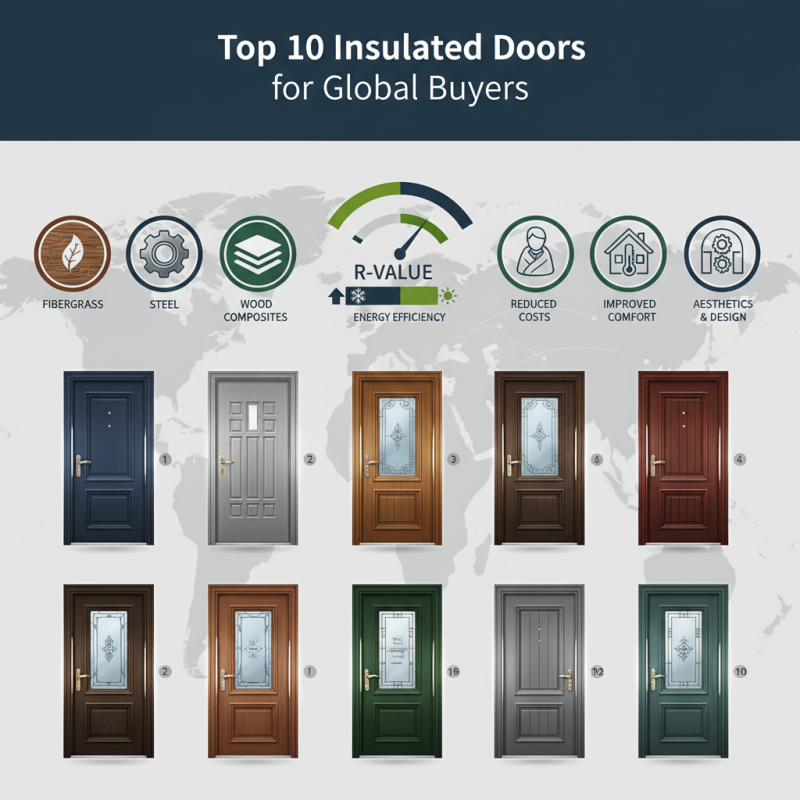
When selecting insulated doors, quality is paramount for global buyers. The right doors enhance energy efficiency and provide optimum thermal performance. Insulated doors can reduce heating costs and improve comfort in various settings. They come in several materials, including fiberglass, steel, and wood composites. Each type offers unique benefits tailored to specific requirements.
Buyers often overlook the importance of insulation quality. Not all products labeled as "insulated" provide the same level of performance. It is crucial to assess factors like R-value, which measures thermal resistance. The best insulated doors will feature high R-values for superior energy efficiency.
Additionally, consider the door's design and aesthetic appeal. A quality insulated door should not only function effectively but also complement the building’s architecture. Global buyers may struggle to find reliable options that meet both quality and design needs. This article presents the top 10 insulated doors, curating a selection to help buyers navigate this critical choice.
Understanding the Importance of Insulated Doors for Global Buyers
Insulated doors play a crucial role in energy efficiency and comfort. According to industry reports, buildings account for nearly 40% of global energy consumption. Insulated doors help mitigate this impact by reducing heating and cooling costs. Proper insulation can cut energy bills by up to 15%. This is especially important for global buyers looking to enhance their properties.
The material and design of insulated doors significantly affect performance. Reports indicate that a high R-value in insulation translates to better heat retention. Effective insulation reduces noise pollution as well. However, not all insulated doors deliver the same performance, leading to potential inefficiencies. Buyers should seek solutions that meet established insulation standards.
An important consideration is climate. Different regions require specific insulation technologies. A mismatch may lead to increased energy usage and discomfort. In some cases, poorly chosen doors can result in short lifespans and frequent replacements. Evaluating local climate conditions is vital for selecting the right product.
Key Features to Look for in High-Quality Insulated Doors
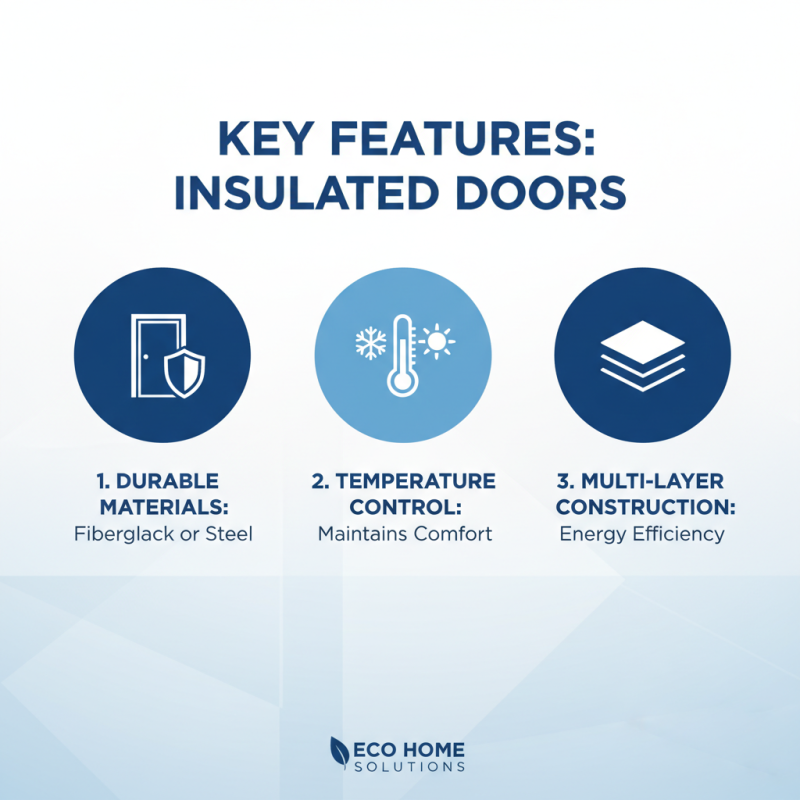
When selecting insulated doors, several key features should be prioritized. First, consider the material. High-quality doors often use fiberglass or steel. These materials provide durability and excellent insulation. They help maintain temperature control in homes or businesses. Look for doors with multi-layer construction. This feature enhances energy efficiency significantly.
Next, evaluate the insulation rating. The R-value indicates how well a door resists heat transfer. A higher R-value means better insulation. Doors with an R-value of 5 or more are typically ideal for various climates. Additionally, pay attention to the seals. Proper sealing prevents air leakage and moisture intrusion. This helps in maintaining energy efficiency over time.
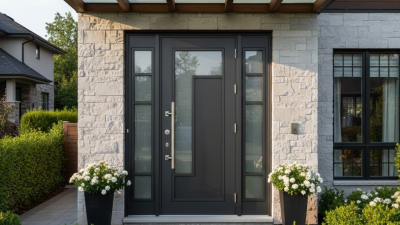
Finally, reflect on design elements. Aesthetics matter as much as functionality. Choose colors and styles that complement your property. However, practicality should not be compromised. Sometimes, the most visually appealing option may lack the desired insulation features. Balancing aesthetics with performance is essential for making a sound investment.
Top Materials Used in Manufacturing Insulated Doors
When considering insulated doors, the choice of materials is vital. High-quality insulated doors rely on key materials such as polyurethane, polystyrene, and fiberglass. According to industry insights, polyurethane stands out due to its superior thermal resistance. It provides an R-value of up to 7.0 per inch, making it an excellent insulator for both residential and commercial uses.
In addition, polystyrene is both lightweight and affordable, offering decent insulation with an R-value around 4.0. However, it may not match the efficiency of polyurethane. Despite its advantages, some manufacturers still hesitate to use it due to cost and performance concerns. Fiberglass is another material frequently used. It resists moisture and corrosion effectively, which is essential for maintaining the door’s longevity. However, it can be challenging to balance insulation properties with cost-effectiveness.
A 2022 report from the Insulated Door Manufacturers Association indicates that almost 60% of insulated doors sold feature polyurethane. This statistic highlights the preference for higher insulation levels. Performance issues can arise in budget options, leading to buyer regret. Ensuring the right materials align with specific needs remains a continuous challenge in the market.
Comparison of Leading Insulated Door Brands in the Market
When considering insulated doors, global buyers often seek quality and reliability. The choice of brand significantly impacts thermal performance and overall durability. A recent industry report highlighted that insulated doors can reduce energy costs by up to 30% when installed correctly. This factor is crucial for both residential and commercial spaces where energy efficiency is a priority.
Some manufacturers focus on advanced materials. Polyurethane and polystyrene are commonly used for their excellent insulation properties. The right door can effectively minimize heat transfer. However, not all brands utilize these materials to their fullest potential. Buyers should pay close attention to the R-value, which indicates thermal resistance. A higher R-value usually means better insulation.
Tip: Always check the warranty offered. A longer warranty often reflects the manufacturer's confidence in their product.
While it’s essential to seek quality, it’s equally important to be aware of potential issues. Some doors might not fit standard frames. This can lead to air leaks and reduced effectiveness. It’s worth consulting installation experts to avoid these pitfalls. Understanding your specific needs will guide you in choosing the best insulated doors for your situation.
Tip: Consider local climate conditions when choosing door types. The right choice can greatly enhance comfort levels in your space.
Cost Analysis: What to Expect When Purchasing Insulated Doors
When considering insulated doors, buyers must evaluate the cost carefully. Insulated doors come in various materials and styles, each affecting the overall price. On average, homeowners can expect to pay anywhere from $500 to $2,000 for a quality insulated door. Factors include type, insulation value, and size. Installation costs may add another $200 to $500, depending on local labor rates.
Additionally, it’s important to consider long-term savings. Good insulated doors can reduce energy bills by improving home efficiency. Over time, the initial investment may pay off. However, buyers should remain aware that cheaper options often lead to higher energy costs. This could result in regrets several years down the line.
Lastly, buyers should review warranty options. A robust warranty indicates confidence in the product's durability. Lack of a warranty might suggest corners were cut during manufacturing. Be mindful of these details as they can reflect on overall value. Balancing cost with quality ensures a purchase that meets both budget and performance expectations.