Top 10 Windows for Home to Enhance Your Living Space
Choosing the right windows for home is essential for enhancing your living space. According to the U.S. Department of Energy, windows are responsible for up to 30% of a home's energy loss. This fact highlights the importance of energy-efficient options. Upgrading your windows can not only improve aesthetics but also reduce energy bills.
The market for windows is projected to reach $30 billion by 2025, driven by the increasing demand for sustainable building materials and design. Homeowners are more aware of their choices today. Aesthetics, energy efficiency, and durability are key factors. Each choice can significantly impact comfort and style.
Investing in windows for home is not just about function. It’s also about creating a harmonious living environment. Poor-quality windows may lead to drafts and higher utility costs. Making informed decisions can transform your space while reflecting your values. Ultimately, understanding these dynamics empowers homeowners to select the best options for their needs.
Types of Windows for Home: A Comprehensive Overview
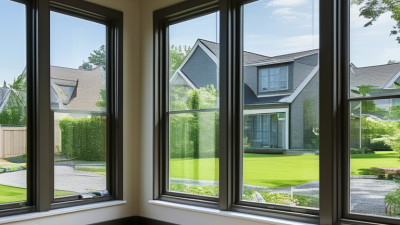
When considering windows for your home, various types cater to different needs and aesthetics. Each style brings unique benefits. For instance, double-hung windows allow for easy cleaning and ventilation. Their design lets you open both the top and bottom sashes. This feature is particularly useful in homes with children. However, some may find their classic look outdated when compared to modern options.
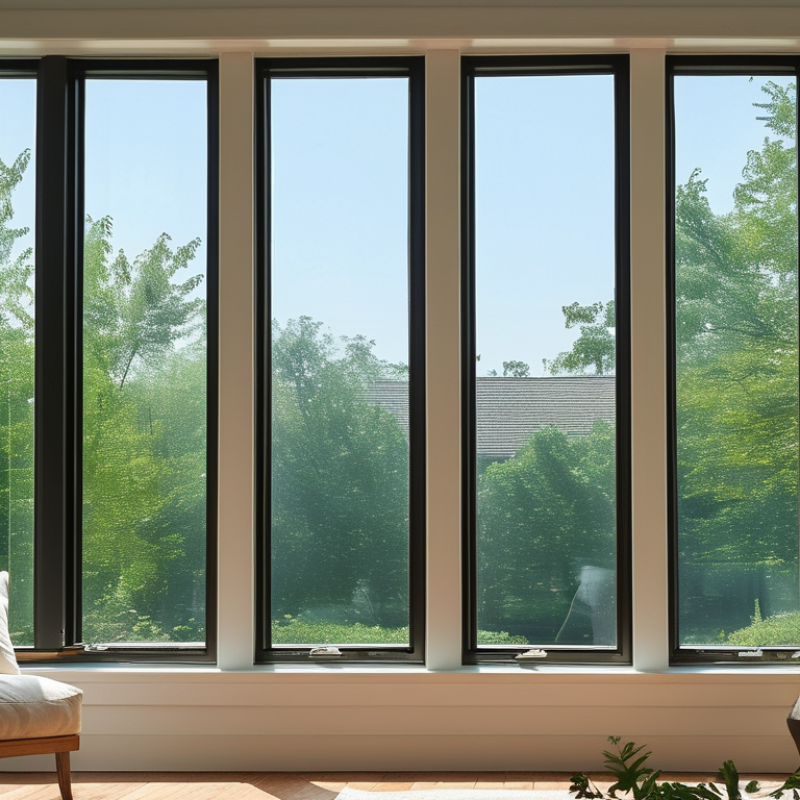
Casement windows are another popular choice. They hinge on one side and open outward. This design enables maximum airflow and unobstructed views. Not only do they provide excellent ventilation, but their seals also enhance energy efficiency. Yet, they can be challenging to install in tight spaces. Homeowners should weigh the pros and cons of placement carefully.
Sliding windows are ideal for smaller spaces. Their horizontal movement saves interior space and provides a sleek, contemporary look. They are easy to operate and often come with large glass panes for ample natural light. However, the tracks can accumulate dirt over time, which may require maintenance. Each type of window has its merits and drawbacks. Careful consideration will ensure you select the best fit for your living environment.
Benefits of Upgrading Your Windows for Home Living
Upgrading windows can significantly improve your home living experience. According to the National Association of Realtors, new windows can enhance property value by up to 73%. This investment not only boosts curb appeal but also increases energy efficiency. A home with modern, insulated windows can save homeowners over $500 annually in energy bills as reported by the U.S. Department of Energy.
Natural light plays a crucial role in enhancing a home's atmosphere. Data shows that homes with larger windows allow 25% more light, positively affecting mood and mental well-being. A brighter space can lead to increased productivity and overall comfort. However, the installation process can be cumbersome, and some homeowners may feel overwhelmed by the choices available.
Noise reduction is another significant benefit. Double or triple-glazed windows can reduce outside noise by 60%. This improvement provides a more peaceful living environment, especially in urban areas. Yet, some homeowners may hesitate to upgrade due to initial costs. Evaluating long-term benefits, however, often outweighs these concerns. Investing in quality windows not only creates a more inviting space but also promotes a sustainable lifestyle and wellness.
Design Considerations for Selecting Windows that Enhance Spaces
When selecting windows for your home, design considerations play a vital role. Think about the size and shape of the space. Large windows often bring in more natural light, transforming a dull room into a vibrant one. However, oversized windows may disrupt the balance in smaller areas, leading to an overwhelming effect. Aim for harmony between window dimensions and room proportions.
Materials are equally crucial. Wood, vinyl, and aluminum all offer unique aesthetics and performance. Wooden frames create a warm, classic feel, but require more maintenance. Vinyl windows, on the other hand, provide durability with less upkeep. Consider your lifestyle and how you wish your space to speak with these elements.
Don’t overlook energy efficiency. Double or triple glazing can reduce heat loss, helping to lower utility bills. However, this may come at a higher initial cost. Assess your budget and analyze the long-term impact of your choices. Different climates might dictate different approaches. Ultimately, take your time. Reflect on how windows shape your living space and influence your well-being.
Energy Efficiency and Window Styles: What Homeowners Should Know
Energy efficiency is a crucial aspect when selecting windows for your home. Windows account for a significant portion of energy loss in houses. Proper insulation and advanced glazing techniques can reduce heating and cooling costs. Look for double or triple-pane windows. They trap air and improve thermal performance. Choosing low-emissivity (Low-E) glass also helps in reflecting infrared light. This reduces heat transfer and keeps your home comfortable year-round.
Window styles can greatly impact both aesthetic appeal and functionality. Casement windows, for instance, open outward for better ventilation. Sliding windows are easy to operate and suit modern décor. Each style offers unique benefits, such as added natural light or enhanced privacy. However, some designs may not be ideal for every climate. Poor choices could lead to heat loss or inadequate ventilation. It’s essential to consider your local weather conditions before deciding. Understanding these aspects can help ensure your investment enhances your living space effectively.
Trendy Window Features to Elevate Your Home's Aesthetic Appeal
Windows play a vital role in defining a home's aesthetic.
They are not merely functional; they can enhance your living space significantly.
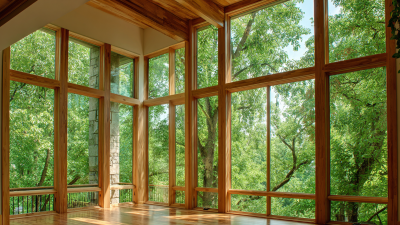
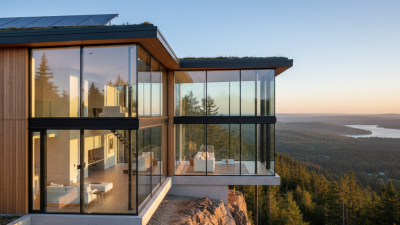
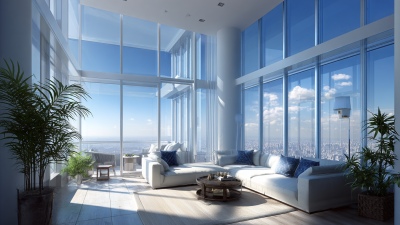
Consider large, floor-to-ceiling windows. They maximize natural light and create a sense of openness.
This design choice brings the outdoors in, blurring the lines between your living space and nature.
Transom windows above doors add charm and height. These small, decorative features can make ceilings feel taller.
They invite more light and interest without sacrificing privacy. You may also explore using different shapes, like arches or circles.
Such unique designs become focal points, drawing attention and sparking conversation.
However, not every style suits every home.
An overly complex window design can clash with simpler aesthetics.
Some homeowners feel overwhelmed by the options.
Ask yourself: what fits your style?
Simple lines work in modern homes. Intricate frames suit traditional interiors.
Evaluate your space before committing to a style. Investing time in this decision can elevate your home's overall appeal and comfort.