
What Are the 2026 Top Types of Exterior Doors?
In 2026, exterior doors will be judged by more than color or curb appeal. Homeowners increasingly want stronger security, better insulation, quieter interiors, and simpler maintenance. The leading options will likely include fiberglass, steel, solid wood, glass-panel, pivot, sliding, and energy-efficient storm doors. Each type solves a different problem. None is perfect.
Scott Sidler, a building-restoration expert and author of The Craftsman Blog, has said, “The front door is the most important architectural element on the front of a house.” That view still matters, especially when a door’s material, proportions, and hardware must suit the building’s age and style. Yet appearance should not hide practical weaknesses. A beautiful wood door may need regular sealing. A steel door can resist forced entry but may dent. Fiberglass often offers a useful balance, although quality varies widely between manufacturers.
This guide examines the top exterior doors expected to attract attention in 2026. It considers thermal performance, weather resistance, security hardware, accessibility, maintenance, and installation quality. A high energy rating does not guarantee a flawless result. Poor flashing or an uneven frame can waste the door’s benefits. Regional weather also changes the decision. Coastal homes face salt exposure, while northern properties need reliable weatherstripping and low heat transfer. The best choice is therefore not the trendiest door. It is the one that performs honestly in its setting.
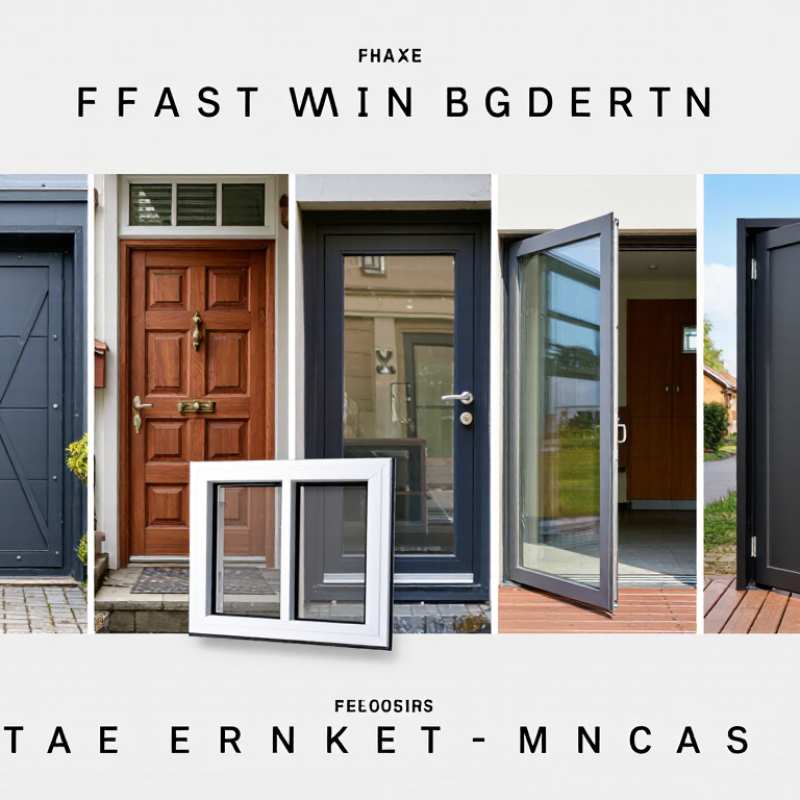
Table of Contents
[Hide]
What Defines the Top Exterior Door Types in 2026?
In 2026, the top exterior door types are defined by measured performance, not appearance alone. Homeowners want security, comfort, durability, and lower energy waste. A beautiful door still fails if cold air enters around its frame. The details matter.
Fiberglass doors remain popular because they resist moisture, dents, and seasonal movement. Steel doors offer strong security and often provide excellent insulation when their cores are well designed. Wood doors create natural warmth, but they need careful sealing and regular inspection. Large glass entry doors bring daylight indoors. However, their glazing should include low-emissivity coatings and reliable weather seals. Sliding and pivot doors also need precise installation. Small alignment errors can cause drafts or difficult operation.
The strongest 2026 choices combine insulated cores, reinforced frames, multi-point locking, and tested weather resistance. Look for published U-factor and air-leakage results, not vague claims. Certified testing offers more dependable evidence than showroom language. Smart access features can improve convenience, but they should include manual entry and secure software updates. Technology is helpful, not magic. An experienced installer should check wall conditions, drainage, threshold height, and local climate before recommending a door. Even premium materials can perform poorly when installation is rushed. This is where buyers should pause and question assumptions. A door that suits a dry coastal home may struggle in a cold, wet region. Cost also deserves a second look, because the cheapest installation may become the most expensive repair.
What Are the 2026 Top Types of Exterior Doors?
What Defines the Top Exterior Door Types in 2026?
| Exterior Door Type | Core Material Characteristics | Energy-Efficiency Potential | Durability & Weather Resistance | Maintenance Level | Security Potential | Best-Fit Applications in 2026 | Main Trade-Off |
|---|---|---|---|---|---|---|---|
| Fiberglass Entry Doors | Stable composite skin over an insulated core; can replicate the appearance of painted or stained wood. | Insulated cores and low-air-leakage frames can provide strong thermal performance. |
Resists moisture, dents, warping, and many common outdoor exposure conditions. |
Low | Performance depends on the slab, frame, hinges, lockset, and installation. |
Primary entry doors where long service life, energy performance, and reduced upkeep are priorities. | Quality varies by construction; deep damage can be difficult to repair invisibly. |
| Insulated Steel Entry Doors | Steel facing, commonly paired with a polyurethane or polystyrene insulating core. | Insulated steel assemblies can limit heat transfer when the frame and weatherstripping are also efficient. |
Strong and dimensionally stable, but exposed scratches or moisture can lead to corrosion if not repaired. |
Low to Medium | Rigid construction supports robust locking and hardware systems. |
Security-focused entrances, multifamily buildings, utility areas, and cost-conscious residential projects. | Can dent; poor coating maintenance in wet or coastal environments may accelerate rust. |
| Solid or Engineered Wood Doors | Natural wood or laminated wood construction with strong visual character and broad design flexibility. | Insulation depends heavily on thickness, core design, glazing, and weather seals. |
Requires effective finishing and moisture control to reduce swelling, shrinking, and warping. |
High | Heavy construction can be paired with reinforced frames and high-security hardware. |
Custom homes, traditional architecture, renovation projects, and entrances where natural material appeal is important. | More sensitive to moisture and seasonal movement than most non-wood alternatives. |
| Thermally Improved Aluminum Doors | Lightweight, corrosion-resistant metal with narrow sightlines and high design flexibility. | Thermal breaks, insulated glass, and carefully designed frames are essential for better performance. |
Resists rot and many forms of weather exposure; coating quality remains important. |
Low | Works well with multipoint locks, laminated glass, and reinforced hardware. |
Contemporary homes, large glazed openings, coastal applications, and minimalist architectural designs. | Uninsulated or poorly thermally separated frames can conduct heat and cold efficiently. |
| Composite Exterior Doors | Multi-material assemblies that may combine reinforced polymers, wood fibers, resins, and insulated cores. | Designed to combine an insulating core with a durable outer surface. |
Generally resists moisture and dimensional movement better than conventional solid wood. |
Low | Strength depends on reinforcement, frame design, and the complete tested assembly. |
Projects seeking a balance of wood-like appearance, lower maintenance, and reliable weather performance. | Construction methods differ widely, so specifications and test documentation should be reviewed carefully. |
| Insulated Sliding Patio Doors | Typically use aluminum, vinyl, fiberglass, or composite frames with large insulated glass panels. | Low-emissivity insulated glass, tight weather seals, and thermally improved frames are key. |
Durability depends on rollers, tracks, drainage, frame material, and exposure conditions. |
Low to Medium | Security improves with laminated or tempered glass, multipoint locks, anti-lift devices, and strong tracks. |
Backyards, balconies, accessible routes, daylight-focused designs, and space-saving openings. | Large glass areas can reduce privacy and require careful attention to glass, track, and lock security. |
| Insulated French or Hinged Patio Doors | Paired or single hinged panels made from wood, fiberglass, steel, aluminum, or composite materials. | Performance is strongly affected by the center seal, adjustable hinges, glass package, and threshold. |
Hinged construction can provide a tight compression seal when correctly installed and adjusted. |
Medium | Multiple locking points and reinforced inactive panels can improve resistance to forced entry. |
Traditional and transitional homes, entertaining areas, and openings where a wide clear passage is desired. | Requires swing clearance and precise alignment; wider door pairs can place greater demands on hardware. |
Evaluation basis: Ratings are comparative, not product certifications. Actual performance depends on the complete door assembly, including the slab, frame, sill, glazing, weatherstripping, hardware, installation quality, and local climate. For 2026 purchasing decisions, compare tested U-factor, solar heat gain coefficient, air-leakage results, water-penetration performance, security features, and applicable energy-label requirements. Lower U-factor generally indicates better insulation.
Reference framework: General material-performance principles and energy terminology are consistent with guidance from the U.S. Department of Energy, ENERGY STAR residential door criteria, the National Fenestration Rating Council rating system, and common building-code testing practices.
Related Posts
-

How to Choose the Best Sliding Doors for Your Home?
-

Innovative Examples of Interior Doors Transforming Modern Spaces with Industry Insights
-
What Are the Top Types of Insulated Doors?
-
What is the Best Material for House Doors?
-
How to Choose the Perfect Sliding Doors for Your Home
-
Best Efficient Windows for Energy Saving and Performance?