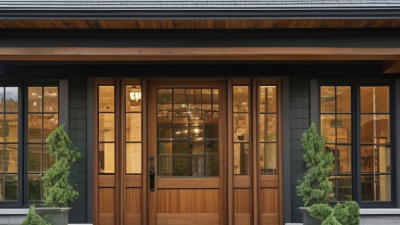
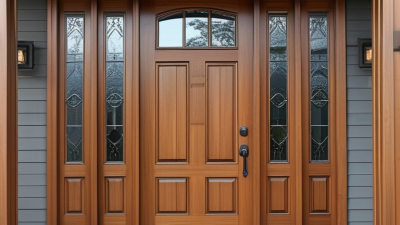
What Are the Top Style Doors for 2026?
In 2026, style doors are becoming quieter, warmer, and more intentional. Homeowners are moving beyond decoration and asking how a door feels in daily use. Does it soften a narrow hallway? Does it reduce visual noise? Can it survive fingerprints, changing temperatures, and busy mornings?
Architect and designer Alvar Aalto famously said, “The door handle is the handshake of the building.” That idea still feels useful. A door introduces a room before the room speaks. This guide examines the leading style doors for 2026, including slim shaker panels, natural oak finishes, concealed doors, fluted glass, and bold painted surfaces. Each option affects privacy, daylight, maintenance, and architectural balance.
Material honesty matters.
A real wood door may show knots, shade changes, and small movement. That is not always a defect. It can also expose poor sealing or weak installation, so appearance should never replace performance. Frosted glass can brighten a dark corridor, but it may not provide complete privacy. Flush doors create a clean wall line, yet their minimal look can feel flat without careful hardware and lighting.
The strongest choices will probably combine practical construction with personal character. “Probably” matters here. Trends age quickly, while a badly aligned frame remains irritating for years. This introduction offers a grounded way to compare style doors, using proportion, texture, durability, and everyday experience rather than fashionable images alone.
Defining the Leading Door Styles Expected in 2026
What Are the Top Style Doors for 2026?
Door design in 2026 will focus on visual openness, energy performance, and practical movement. Slim-frame glass doors are gaining attention because they brighten narrow hallways and connect kitchens with gardens. Large pivot doors will also appear in contemporary homes, especially where a wide entrance creates architectural impact. However, they require careful structural planning and can consume valuable wall space.
Flush doors with concealed frames will support quieter, minimalist interiors. Natural wood finishes should remain influential, but lighter oak tones may replace some darker stains. The 2024 Cost vs. Value Report recorded a 188.1% cost recouped rate for steel entry-door replacement. That figure strengthens demand for secure, insulated entrances, not merely fashionable ones. Energy Star guidance also emphasizes weatherstripping, insulated cores, and accurate installation for reducing drafts.
Smart access will develop, yet it should remain discreet. Homeowners increasingly want keyless entry, temporary permissions, and clear manual overrides. Accessibility matters too. Wider openings, low thresholds, and lever hardware can improve daily use without making a door look institutional. Grand View Research projects the global doors market to grow at approximately 3.8% annually from 2024 through 2030, supporting continued investment in higher-value designs. Forecasts are never perfect. Local climate, construction budgets, and maintenance habits can change the winning style quickly.
Comparing Materials, Colors, and Finishes for 2026 Doors
For 2026, door selection will depend less on decoration alone and more on material performance. The 2024 Cost vs. Value Report recorded a 188.1% cost recoupment for steel entry-door replacement. That figure is striking, but it is not a promise. Local labor, size, hardware, and installation quality can change the result. Steel suits exposed entrances, especially when paired with a durable protective coating. Fiberglass offers a warmer appearance and resists moisture, while solid wood still delivers rich grain and tactile depth. It demands more maintenance, though.
Color choices are becoming quieter and more architectural.
Warm white, clay, charcoal, muted green, and natural oak can soften large exterior surfaces without looking temporary. A 2024 residential design trends survey identified growing interest in natural textures and restrained, earthy palettes. The finding supports what many renovation professionals observe: homeowners want doors that age gracefully, not loud colors that dominate the facade. Matte finishes hide minor reflections and fingerprints better than high gloss. Satin finishes provide easier cleaning and a gentle highlight. Small details matter.
Test samples outdoors.
Indoor lighting can mislead. A dark finish may absorb considerable summer heat, especially on a west-facing entrance. I would question any design advice that ignores climate, shade, and maintenance. A beautiful door can still be a poor choice.
Exploring Smart Features and Energy-Efficient Door Designs
What Are the Top Style Doors for 2026?
In 2026, leading door designs will combine clean profiles with measurable energy performance. Insulated fiberglass and engineered wood doors can reduce heat transfer without looking bulky. Narrow glass panels, low-emissivity glazing, and tight weather seals also support better indoor comfort. The International Energy Agency’s Buildings 2023 report states that buildings used about 30% of global final energy in 2022. Door details matter within that larger challenge.
The U.S. Department of Energy reports that windows can cause 25–30% of residential heating and cooling energy use.
Glazed doors can create similar weaknesses when frames, seals, or installation are poor. A lower U-factor generally means less heat moves through the assembly. Climate-appropriate solar heat gain ratings matter too. Numbers help, but they do not replace careful fitting. That part is often underestimated.
Smart access systems will add motion alerts, temporary codes, door-position sensors, and remote locking.
These features improve security and accessibility, especially near busy entrances. They can also support energy savings by warning occupants about an open door. However, a smart lock does not make an inefficient door efficient. Battery failure, weak connectivity, and confusing controls remain practical concerns. I would not call every connected feature essential. Durable hardware, replaceable batteries, and simple manual operation may matter more over time. The best 2026 style may be quiet, insulated, and intelligently monitored rather than overloaded with technology.
Matching 2026 Door Styles to Different Architectural Homes
What Are the Top Style Doors for 2026?
Matching a door to a home’s architecture creates a more convincing entrance.
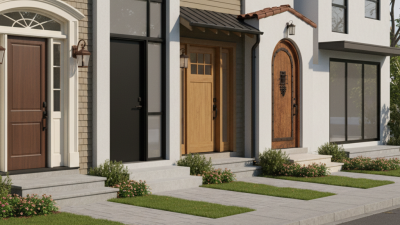
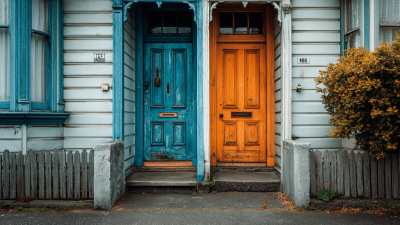
In my experience, proportion matters more than decoration. A tall, narrow door suits many Victorian and Tudor homes, especially with raised panels and warm wood tones. Traditional details should feel substantial, not overly ornate. They can easily become too heavy.
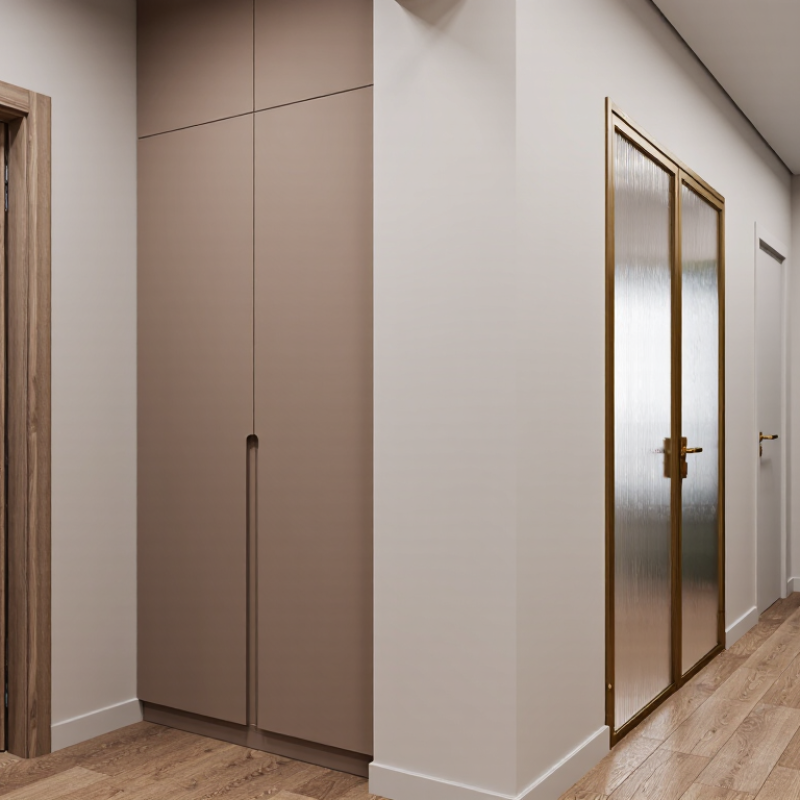
Modern homes often benefit from flush doors with clean lines and concealed hardware.
A charcoal, matte black, or natural oak finish can sharpen a simple façade. Large glass panels work well with contemporary architecture, but privacy needs careful planning. Frosted or textured glass can bring daylight without exposing the hallway. For mid-century homes, a pivot door or a simple slab door may echo the original geometry. Slim vertical windows add rhythm without imitating old details.
Farmhouses and cottage-style homes
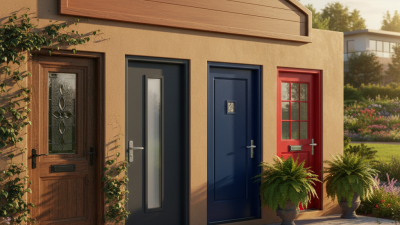
usually look balanced with divided-light doors, painted timber, or sturdy half-glass designs. A soft green, muted blue, or deep red can support the surrounding landscape. Craftsman homes often need a heavier door, visible joinery, and small glass panes. The entry should feel grounded. It should not look newly attached.
Energy performance also shapes good design in 2026.
An experienced installer will check weather seals, threshold height, drainage, and local climate exposure. Decorative glass may reduce insulation if selected carelessly. I once favored appearance over maintenance, and the finish weathered faster than expected. That mistake still influences my recommendations. A beautiful door must handle rain, sunlight, daily use, and imperfect cleaning habits.
Choosing the Right Door Style for Function, Security, and Value
What Are the Top Style Doors for 2026?
Choosing the Right Door Style for Function, Security, and Value
In 2026, the best door style balances appearance with daily performance. Modern flush doors create clean lines and suit minimalist homes. Shaker doors offer familiar detail without looking dated. Arched doors add warmth, especially in entryways with natural stone or textured walls. Glass-panel doors can brighten dark hallways, but they require careful privacy planning.
Security should guide the design, not follow it. Choose a solid core, a reinforced frame, and a high-quality multi-point locking system. Hinges should be protected when they face an exposed side. For exterior doors, check weather seals after heavy rain. Small gaps can cause drafts, noise, and higher energy use. I have seen attractive doors fail because their frames were poorly installed. The style was right, but the fit was wrong.
Tips: Measure the opening twice. Test the swing path with furniture nearby. Use textured or obscured glass where privacy matters. Ask an experienced installer about local climate conditions and maintenance needs. Consider repair costs before choosing complex finishes. A bold door may photograph beautifully, yet it can feel impractical after six months. No choice is perfect. Select the details your household will genuinely use.