What Are the 2026 Top Insulated Doors for Buyers?

Choosing the best insulated doors in 2026 requires more than comparing R-values on a product label. Buyers should examine thermal performance, air leakage, moisture control, durability, security, and installation quality. A well-insulated door can help maintain stable indoor temperatures, reduce drafts, and lower heating or cooling demand. However, even an excellent door may perform poorly when its frame is poorly sealed.

Dr. Joseph Lstiburek, a respected building scientist and founder of Building Science Corporation, has stated, “Buildings should be designed to dry.” This principle matters when evaluating insulated doors. A door must resist outdoor moisture without trapping condensation inside the assembly. Look closely at weatherstripping, threshold design, hinge alignment, glazing, and drainage details. Small gaps can become cold lines around the frame.

Real-world performance matters.

This guide explores the leading insulated doors for different buyer needs, including exterior entry doors, patio systems, garage doors, and energy-efficient commercial models. It considers measurable specifications, manufacturer reliability, installation support, maintenance demands, and long-term value. Some products appear impressive in brochures but feel less convincing after repeated opening, winter exposure, or heavy rain.

No ranking is perfect. Climate, wall construction, exposure, and installation skills can change the result. A door that performs well in a dry northern climate may require different features in a humid coastal region. Buyers should therefore compare tested data with their building conditions, not marketing language alone. The goal is practical: identify insulated doors that remain comfortable, tight, durable, and dependable after years of daily use.
What Are the 2026 Top Insulated Doors for Buyers?

What Makes an Insulated Door a Top Choice in 2026

In 2026, a top insulated door is not judged by thickness alone. It should limit heat transfer, outside noise, and air leakage. Look for a tested U-factor and a suitable R-value for your climate. The door core matters, but the frame matters too. A strong thermal break reduces cold edges around the opening. Quality weatherstripping should compress evenly, without forcing the latch. I have found that a door can feel solid yet leak air at the threshold. Small gaps become obvious on cold mornings.

Reliable selection also depends on installation evidence. Ask for performance data, warranty terms, and service guidance from qualified installers. Check hinges, threshold height, drainage, and compatibility with your wall system. An energy-efficient slab cannot correct a poorly squared frame. This is often overlooked. Security, daylight, and accessibility deserve equal attention. A heavily sealed door may close slowly or need adjustment. That trade-off deserves honest review, not marketing language. The best choice fits the building, budget, and daily use.

Tips: Test the seal with a thin sheet of paper. If it slips out easily, compression may be weak. Inspect the bottom sweep after installation. Measure the frame before ordering. Consider condensation risks in humid rooms. Ask for independent test documents, not only sales claims. No door is perfect. Recheck alignment after seasonal changes.

Key Insulation Materials and Performance Features to Compare

What Are the 2026 Top Insulated Doors for Buyers?

Key Insulation Materials and Performance Features to Compare

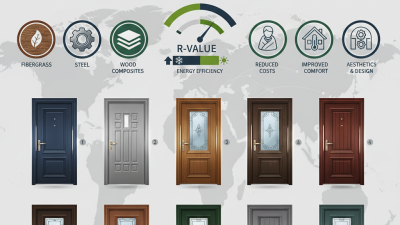
In 2026, buyers should compare the door core before judging its surface style. Polyurethane foam usually delivers strong insulation with a relatively thin profile. Polystyrene costs less and performs reliably, but it may need greater thickness. Mineral wool offers fire resistance and sound control, although it can increase weight. Fiberglass panels resist moisture and dents, making them practical for exposed entrances.

Look beyond the material name. Check the tested U-factor, R-value, and air-leakage rating. A lower U-factor generally means less heat transfer through the door. Higher R-values can help, but they do not tell the whole story. Small gaps matter. Examine continuous weatherstripping, compression seals, and an insulated threshold. A thermal break around metal frames can reduce cold edges and indoor condensation.

From site inspections, I have seen well-insulated doors perform poorly after careless installation. An uneven frame can leave a visible daylight line near one corner. That detail matters. Buyers should request independent test data, installation instructions, and warranty terms. Consider hinge strength, panel rigidity, drainage, and replacement seal availability too. I sometimes overvalue insulation ratings myself. Real performance also depends on sunlight, wind exposure, humidity, and daily use. A door may look efficient on paper, yet feel cold beside an unsealed frame.

Leading 2026 Insulated Door Types for Different Building Needs

What Are the 2026 Top Insulated Doors for Buyers?

Leading 2026 Insulated Door Types for Different Building Needs

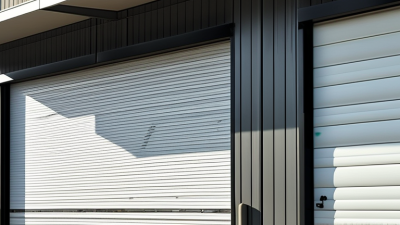
Insulated doors now serve very different building demands. Choosing the right type starts with heat, traffic, and available space. Sectional overhead doors suit warehouses, workshops, and service garages. Their panel insulation reduces heat transfer while supporting daily loading work. They also offer practical window options for safer visibility. However, poorly sealed joints can weaken performance during windy weather.

Rolling insulated doors work well in retail back rooms, compact factories, and storage areas. They need less ceiling space than sectional systems. High-speed insulated doors fit busy facilities where forklifts move constantly. Their rapid opening helps limit temperature loss and indoor dust. Cold-storage buildings require doors with strong seals, durable surfaces, and reliable cycle performance. Fire-rated designs may suit specific commercial layouts, but certification and installation details must be checked carefully.

Tips: Measure the opening twice. Check ceiling clearance, traffic frequency, and local climate. Ask for tested insulation values, not vague energy claims. My early projects sometimes focused too much on panel thickness. Seal quality mattered more than expected. Review maintenance access before ordering. A door that saves heat but delays repairs may create higher operating costs. No option is perfect. The best choice balances thermal control, safety, speed, and long-term service needs.

How to Evaluate Energy Ratings, Durability, Security, and Design

What Are the 2026 Top Insulated Doors for Buyers?

Choosing an insulated door starts with measured performance, not a thick-looking core. The U.S. Department of Energy recommends comparing whole-door U-factor, because the frame, edges, and glazing affect real heat transfer. Lower numbers indicate better insulation. The National Fenestration Rating Council also separates U-factor, solar heat gain coefficient, air leakage, and visible transmittance. Read every line. A high R-value alone can mislead.

Energy matters beyond utility bills. The International Energy Agency’s 2024 Global Status Report says buildings consume about 30% of global final energy. A tight door helps reduce drafts around hallways, garages, and north-facing entries. Look for tested air-leakage results, compression gaskets, insulated thresholds, and thermal breaks. ENERGY STAR performance criteria can provide an additional screening point, though regional requirements differ. Climate changes the answer.

Durability should be visible in the details. Check corrosion-resistant hardware, sealed joints, reinforced hinge zones, and a threshold that resists standing water. For security, examine deadbolt alignment, strike-plate reinforcement, hinge protection, and the door’s resistance testing under recognized standards. Design still matters: a glazed panel needs suitable safety glass and a low-conductivity spacer. That costs more. Sometimes wisely. However, ratings do not guarantee perfect installation. A poorly shimmed frame can leak beside an excellent panel. Ask for independent test reports, warranty limits, and installer experience before judging the final door.

A Practical Buyer’s Guide to Selecting the Right Insulated Door

What Are the 2026 Top Insulated Doors for Buyers?

A Practical Buyer’s Guide to Selecting the Right Insulated Door

The best insulated door for 2026 depends on your climate, building use, and installation conditions. A cold-storage entrance needs different protection than a front door facing afternoon sun. Look for verified U-factor, R-value, and air-leakage data. Lower U-factor usually means better heat resistance. However, published ratings can become less useful when the frame or threshold performs poorly.

Insulated steel doors offer strength and consistent thermal performance. Fiberglass doors resist moisture and suit exposed residential entrances. Sectional doors with dense foam cores can reduce drafts in garages and workshops. Check the core thickness, perimeter seals, bottom seal, hinges, and glazing. A small gap under the door can defeat expensive insulation. In real inspections, poor fitting often causes more discomfort than a modestly lower rating. That detail is easy to overlook.

Tips: Measure the opening twice. Compare the whole-door U-factor, not only the panel rating. Request independent test documents when available. Choose compression seals for windy locations. Confirm that installers understand thermal bridging and drainage. Test the lock and threshold before accepting the installation. A higher rating is not always the best purchase. A door may perform well on paper but feel awkward, heavy, or difficult to maintain. Buyers should review condensation risks, service access, warranty terms, and local weather patterns. A practical choice balances comfort, durability, security, and daily usability.