Choosing among the top types of house doors is not just a style decision. A door affects privacy, natural light, airflow, noise, and how comfortably people move through a home. A solid panel door can suit a bedroom, while a glazed French door may brighten a dining area. Sliding and pocket doors save swing space, but their tracks or wall cavities need careful planning.
Small details matter. Check the opening’s measurements, the frame’s condition, and whether the door faces wind or rain. For an exterior entrance, weather seals, durable materials, secure hardware, and a good fit are practical priorities. Interior doors have different demands; a bathroom door, for example, usually needs privacy and reliable ventilation. No single type works everywhere.
Looks can be misleading. A large glass door may bring in welcome daylight, yet it can reduce privacy or make a room feel exposed. A heavy door may feel reassuring, but it can be awkward in a narrow hallway. Even familiar choices depend on the home’s layout and upkeep needs. That part is easy to underestimate.
This guide compares common house doors by design, function, and suitable locations. It also considers trade-offs, so you can match a door to the room rather than follow a trend. Measurements and installation requirements vary, and unusual openings may need advice from a qualified installer. A little reflection helps. The “best” door is often the one that works quietly every day.
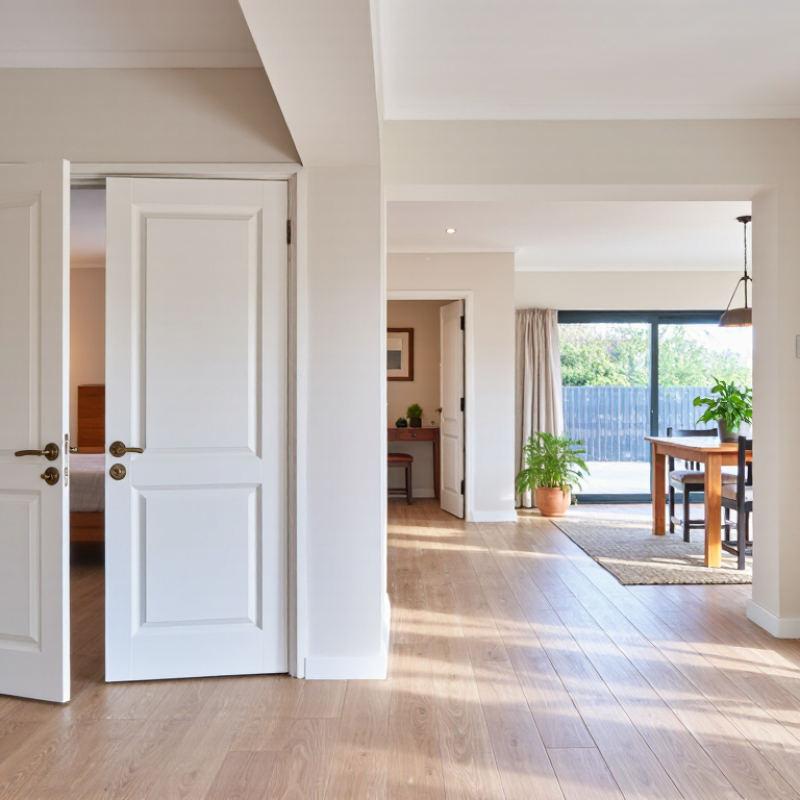
Residential doors are best classified by where they sit in the home and what they need to do. Exterior entry doors separate indoor space from weather and visitors, so a secure frame, a reliable latch, and suitable weather seals matter. Front doors often make a strong visual impression, while side and back doors may be chosen for convenient access to a yard or garage. Small details count: a tight threshold can help limit drafts, but it should not make the doorway difficult to cross.
Interior doors serve different purposes. Bedroom and bathroom doors provide privacy; solid-core construction can also reduce everyday noise. Closets and pantries often use lighter doors, such as hinged or sliding designs, where saving space matters more than sound control. Pocket doors disappear into a wall, but they need careful installation and can be harder to repair. A door that looks ideal in a showroom may feel awkward in a narrow hallway.
Doors for specific locations and tasks are defined by where they are used or what they need to do. Garage-to-house doors need to suit the separation between those areas, so local building requirements and professional guidance should inform the choice. Patio doors connect rooms to outdoor spaces and may slide or swing open; the best option depends on clearance, traffic, and access needs. Measure the opening, check the swing path, and consider who uses it daily. Even a beautiful door can be the wrong fit.
Common Types of Exterior House Doors
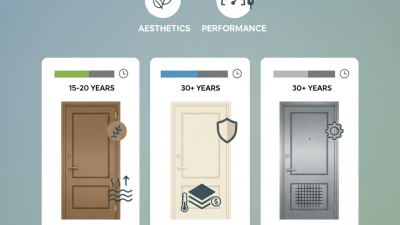
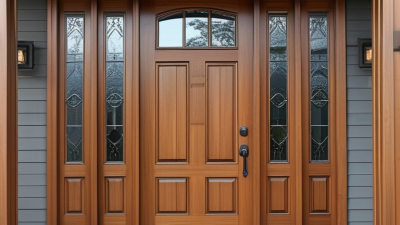
Exterior doors do more than mark an entrance. They help manage weather, privacy, security, and the daily traffic of a home. A solid wood door offers a warm, substantial feel and can be repaired or refinished, but it may swell or shrink as humidity changes. Fiberglass doors often resist moisture and temperature swings, while some are molded to resemble wood grain. Steel doors provide a sturdy, practical option, though dents and damaged finishes can require attention.
Small details matter. Check that the door fits its frame evenly, and look for weatherstripping that seals without making the door difficult to close. A front entry door may include glass panels for daylight, but glazing affects privacy and should be chosen with the home's layout in mind. Sliding patio doors save space and bring in broad views; hinged French doors create a wider opening, but need room to swing. Both benefit from secure locks and well-fitted tracks or hinges.
Garage side doors and rear service doors are often overlooked. They still face rain, drafts, and frequent use, so choose materials and hardware suited to their exposure. There is no perfect door for every house. A shaded porch, salty coastal air, or a muddy backyard can change what works best, and even a good door needs occasional inspection. I used to think material alone decided the choice. The frame matters too.
Interior doors do more than divide rooms; they affect privacy, light, and how people move through a home. A hinged panel is a reliable choice for bedrooms and bathrooms, where a clear visual boundary matters. Check the door swing before choosing furniture: a wide door can collide with a bedside table or block a narrow hallway. A tight fit matters.
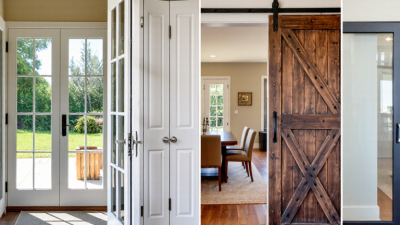
Sliding doors work well where floor space is limited. Pocket doors disappear into the wall, while surface-mounted sliders remain visible and need clear wall space beside the opening. Both can be less effective at blocking sound than a well-fitted hinged door. Not always. Measure carefully, especially in older homes where walls may not be perfectly straight.
Glazed French doors can carry daylight between a living room and a darker hallway while keeping the rooms distinct. Frosted glass offers more privacy for a study or bathroom entrance. Simple flush doors suit restrained interiors, while raised-panel designs add texture to traditional rooms. For busy family spaces, consider a durable finish that can be wiped clean. Style is only part of the decision; weight, hardware, ventilation, and sound control deserve attention too. A beautiful door that sticks each winter is still a frustrating door.
These are commonly available nominal door widths in the United States. Room uses are typical examples, not strict rules; actual choices depend on the opening, layout, and local requirements.
What Are the Top Types of House Doors?
Door material strongly influences strength, insulation, and maintenance. A steel door can resist dents and forced impact, but its metal skin conducts heat quickly. The insulated core matters more. The ASHRAE Handbook—Fundamentals reports thermal conductivity near 45 W/m·K for steel, compared with roughly 0.02–0.03 W/m·K for polyurethane foam. A thin steel door may still perform poorly.
Fiberglass doors usually offer a practical balance. They resist corrosion, moisture swelling, and surface cracking. Their molded skins also accept textured finishes that resemble timber. Solid wood feels warmer and can be repaired, but it expands when humidity changes. The U.S. Forest Service Wood Handbook links wood movement directly to moisture content. A small gap can appear around the latch side during wet seasons. That detail is easy to overlook.
Installation often matters as much as the material. The U.S. Department of Energy estimates that air leakage can account for 25–40% of heating and cooling energy use in typical homes. A compression seal, insulated frame, and properly adjusted threshold can reduce drafts around any door type. NFRC ratings help compare U-factor and air leakage, but ratings do not replace site judgment. A heavy door is not automatically secure. In my experience, a poorly shimmed frame can weaken a premium slab. Recheck the weatherstrip after one winter. It may have compressed unevenly.
Choosing a house door means balancing security, available space, and visual character. Solid-core steel doors offer strong resistance and stable performance, while fiberglass doors resist moisture, dents, and seasonal movement. Wood doors provide warmth and craftsmanship, but they need regular sealing. The FBI’s Crime Data Explorer recorded about 847,522 burglary offenses in the United States during 2022. However, the report does not identify door materials. That limitation matters.
Space changes the best choice. A sliding glass door preserves floor area and brings daylight into compact rooms, but it needs laminated or tempered glass and a properly secured track. French doors create a wider opening, though their swing requires clearance. Pocket doors disappear into the wall and suit narrow hallways. They usually provide less exterior security than a reinforced entry door. Measure the opening, swing path, threshold height, and nearby furniture before choosing.
Design still has a practical role. A door with a low-emissivity glass panel can support daylight without making the entry feel exposed. The U.S. Department of Energy recommends weatherstripping and insulated doors to reduce drafts and improve comfort. Installation is often the weak point. Even an expensive door performs poorly when the frame is misaligned. Zonda’s 2024 Cost vs. Value Report estimated an average 188.1% cost recovery for steel entry-door replacement, but regional results vary sharply. That figure encourages investment, not blind spending. A beautiful door can still be the wrong door.
| What Are the Top Types of House Doors? - Choosing a House Door for Security, Space, and Design | |||||
|---|---|---|---|---|---|
| Door Type | Typical Construction | Security Considerations | Space Requirements | Design and Light | Common Uses |
| Solid-Core Hinged Door | Wood, composite, or molded outer faces over a dense engineered core. | Generally more substantial than a hollow-core interior door. For an exterior entrance, security also depends on the frame, hinges, lock, and installation. | Needs clear floor area for its swing; the swing direction and nearby furniture matter. | Available in many panel styles, finishes, and paint colors; usually provides privacy rather than daylight. | Interior rooms and some sheltered entrances when the door is specifically rated for exterior use. |
| Steel Entry Door | Steel skins over an insulated core, typically fitted in a framed entry system. | A sturdy option, but the complete assembly—including frame, lock, strike plate, and installation—affects resistance to forced entry. | Requires space for a conventional hinged swing. | Often has a clean, simple appearance; can be painted and may include glazing. | Main or side entrances where durability and a relatively low-maintenance surface are priorities. |
| Fiberglass Entry Door | Molded fiberglass skin, often with an insulated core. | Can provide a robust entrance when paired with a strong frame and suitable hardware. Security varies by model and installation. | Usually swings like a standard hinged door and needs a clear arc. | Can be made in smooth or wood-grain finishes; glazed versions admit daylight. | Main entrances where weather resistance, insulation, and a choice of finishes are important. |
| Sliding Patio Door | One or more glazed panels move horizontally along a track. | Use appropriate locks and keep the track and frame in good condition. Large glass panels may be a security consideration; glazing type and placement matter. | Does not need a hinged swing area, but needs clear space along the track. | Provides broad views and substantial daylight; commonly used to connect indoor and outdoor areas. | Patios, decks, and rooms where a wide glazed opening is useful. |
| French or Double Hinged Door | Two hinged leaves, often glazed, meeting at the center of the opening. | Security depends on the locks, frame, hinges, glazing, and how the inactive leaf is secured. | Needs swing clearance for one or both leaves; furniture placement can limit use. | Creates a wide opening and can bring in daylight; available with clear, textured, or divided glazing. | Patio access, gardens, and interior openings between larger rooms. |
| Pocket Door | A sliding panel that retracts into a cavity inside the wall. | Typically chosen for interior spaces rather than as a primary exterior security door; privacy and latch performance depend on the hardware. | Uses little room when open, but requires a suitable wall cavity with no conflicting services or structural obstructions. | Offers a minimal look and keeps the doorway clear when open; usually solid or lightly glazed. | Bathrooms, closets, and compact rooms where a swinging door would use valuable floor space. |
| Barn-Style Sliding Door | A panel hangs from a track mounted above the doorway and slides along the wall. | Often has more gaps than a conventional hinged door, so it may offer less privacy and is generally better suited to interior use. | Needs clear wall space beside the opening and a secure mounting surface for the track. | Can make the door a visible design feature; finishes range from rustic to contemporary. | Interior rooms, pantries, and closets where wall space is available but swing space is limited. |
| Bifold Door | Two or more hinged panels fold together and move along a track. | Most commonly used inside the home; track, hinges, and latches are primarily selected for convenient operation rather than entry security. | Needs some clearance for the folded panels, but usually less swing space than a full-size hinged door. | Panels can be solid, louvered, or glazed, depending on the desired airflow, privacy, and light. | Closets, laundry areas, and other openings where a wide door would be inconvenient. |